Edmond
Chang
Edmond
Chang
Others
Work that is too early to have a page of its own.
Microtube's flexible strain sensor — the component that ARIS, ARIS Go and the haptic glove are all built on top of.
I have worked on it since joining the company, improving how it is manufactured and how stable its readings stay over time and use.
The eventual form is a patch worn on the neck that senses the carotid pulse directly — a signal that is difficult to read reliably by hand and difficult to read at all from the wrist.
It is an alternative route to heart rate: rather than reading light through the skin, a pressure sensor picks up the physical deformation the artery makes as it expands, and that deformation is translated into a pulse rate.
It is at proof-of-concept stage with a patent pending, so there is not much to show yet. I'm a co-inventor. More will go here once it is further along.
Thiphobia
Tinkers
My collection of small apps.
Everything here started as something I wanted and could not find without signing up for an account first.
They are small on purpose. Each one does a single thing, keeps what you put in on your own device, and is free — no subscription, no advertising, nothing collected. Three so far; more when something annoys me enough.



HexR Haptic Glove
A haptic glove we took from the lab to the real world, and the software I built for it.
We took a haptic glove from the lab to the real world.
Microtube built the glove. I built the software that lets anyone use it: the developer guide, the demos, and support for Quest, Pico and Leap Motion.
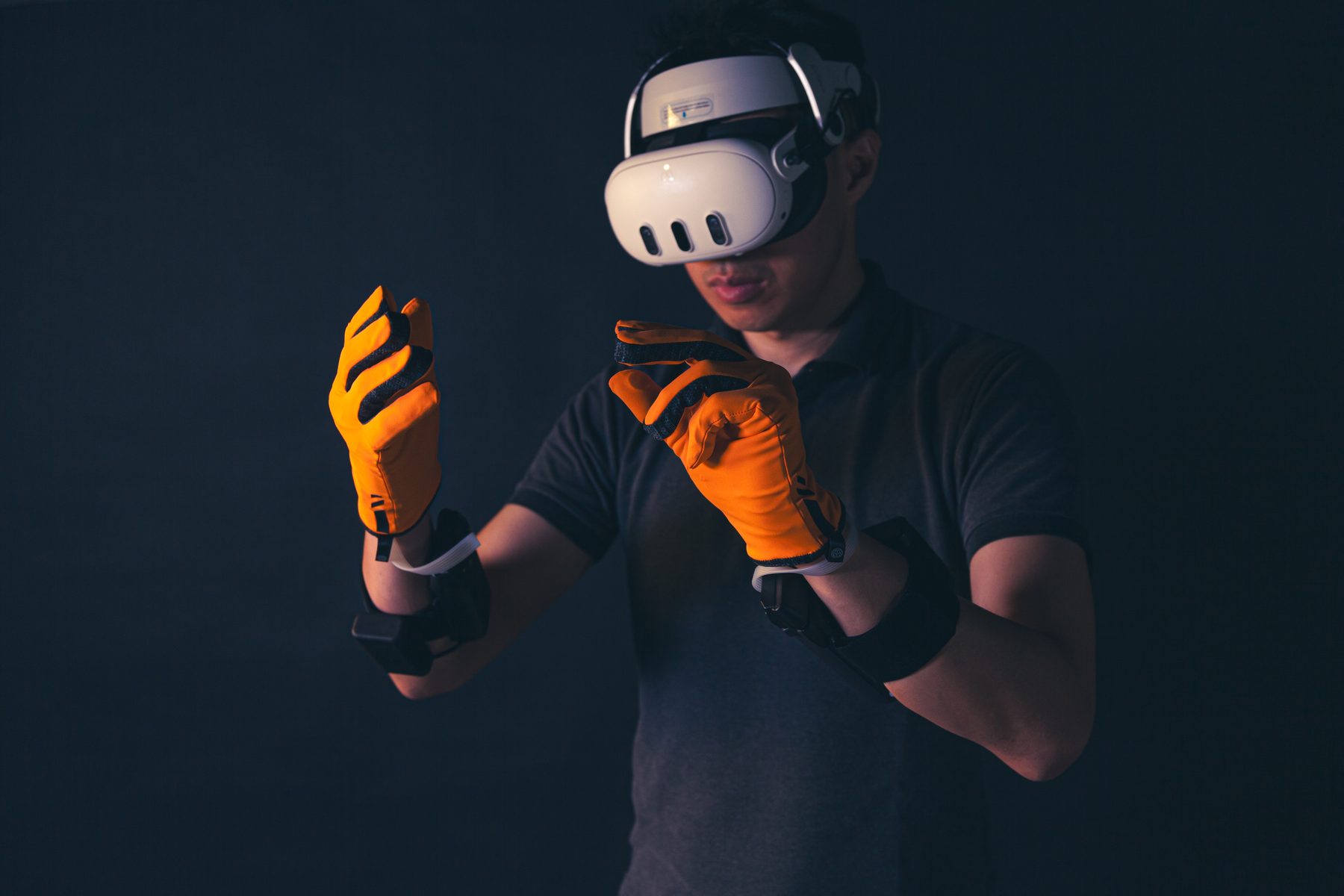 HexR · pneumatic haptic glove
 Nurse trainingTTSH × SMRT▶
 Arthritis examSGH Academia · built by me▶
 Pilot simulationSIA competition demo▶
 HexR demoThe glove on its own▶
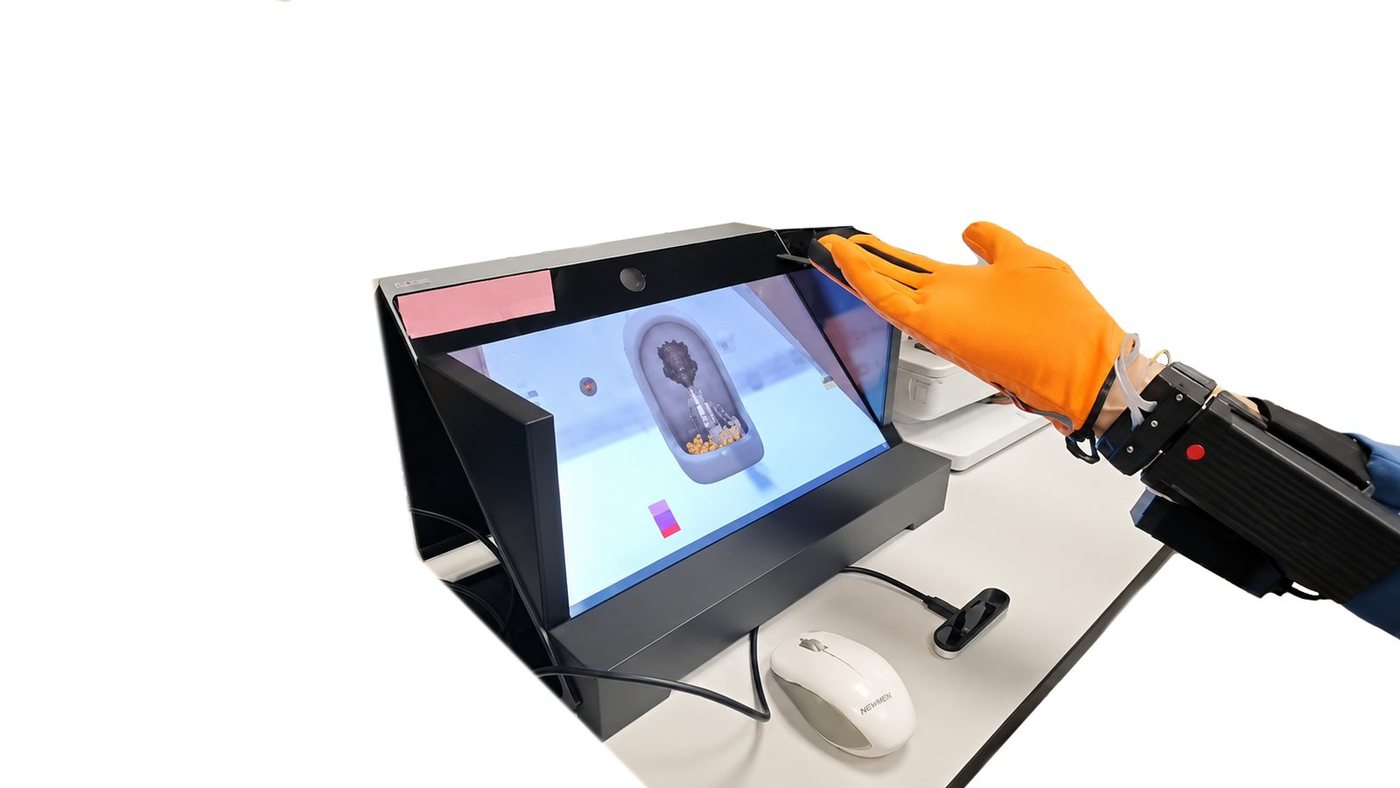
The HexR glove lets you feel VR.
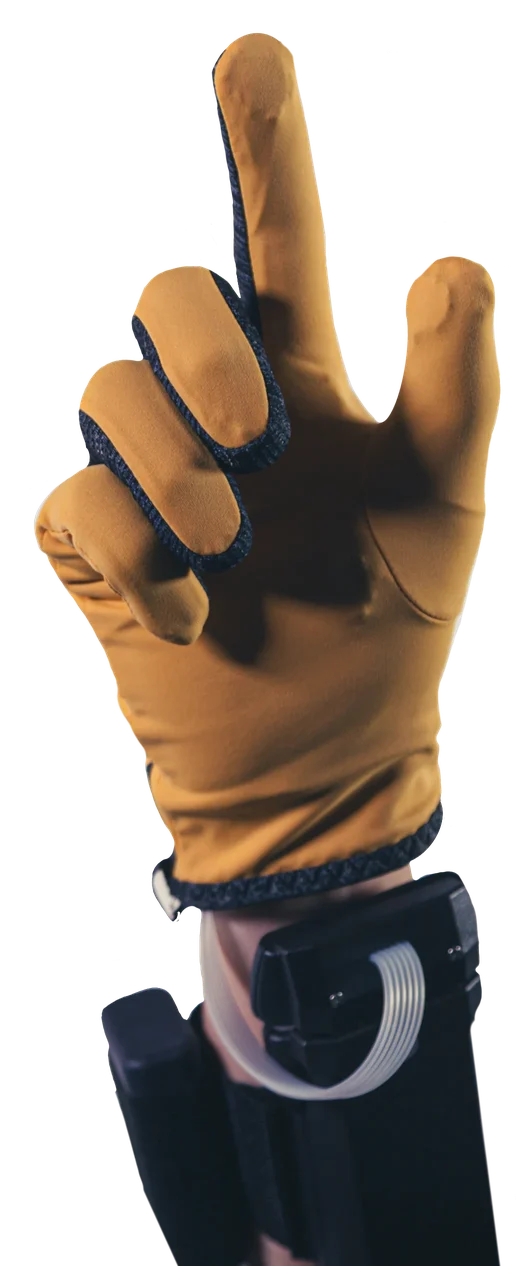
Soft pads on each fingertip and the palm fill with air and press in.
Six points of touch. 306 g. No cables.
Pressure and vibration across every fingertip and the palm, with less than 20 ms of latency.
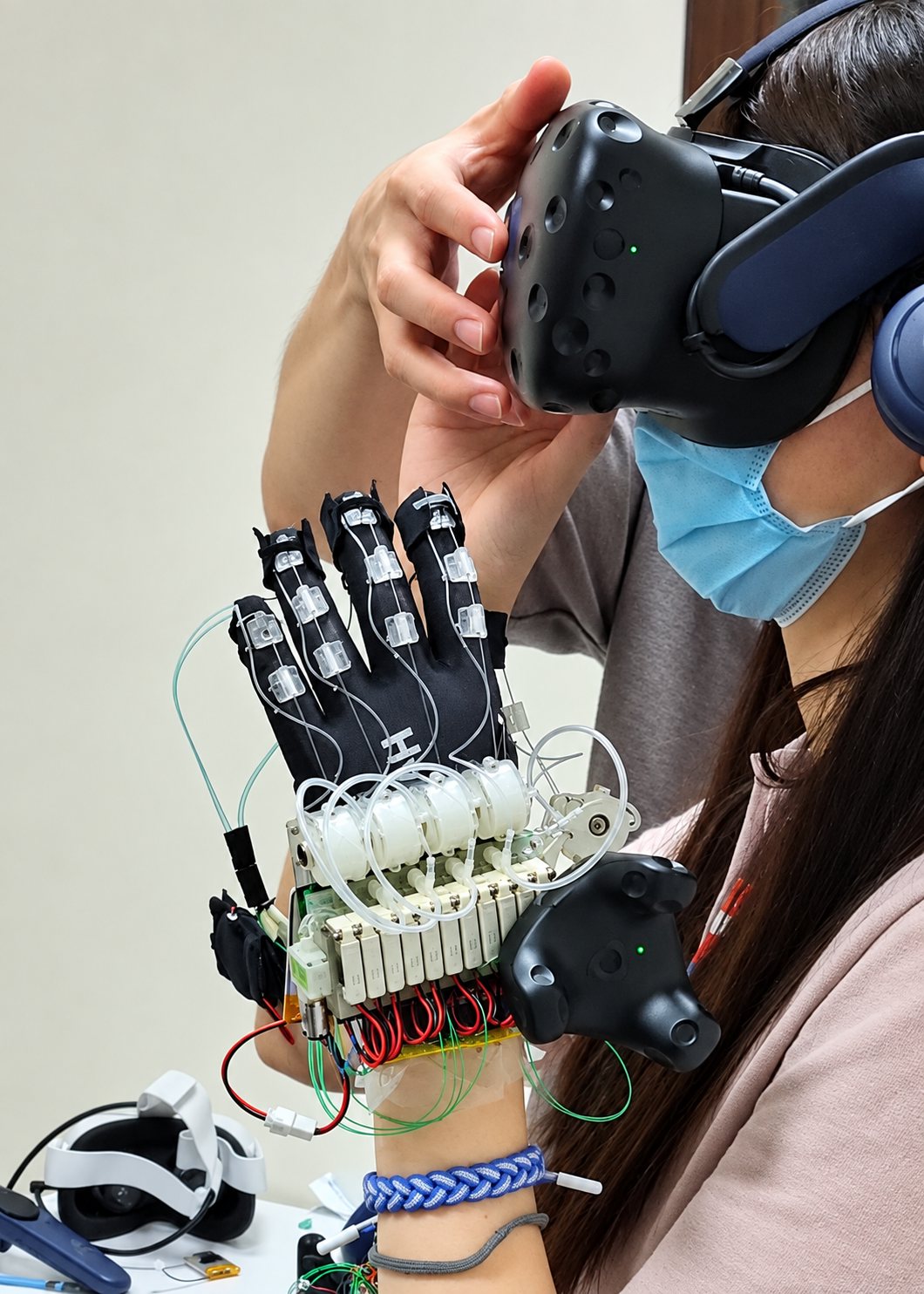
It began as a research prototype at NUS.
The early version was built to prove the technology could work. It was bulky, experimental, and covered in tubes and hardware — but it showed that pneumatic haptics could create convincing touch in VR.
Splitting the work.
While the hardware team focused on getting the glove ready for production, I worked on the software side — helping build the SDKs, device communication, applications, and VR experiences around it.
I helped bring the glove to more XR platforms.
We expanded support beyond a single setup, with Meta Quest and PICO running through the same Unity package, alongside Leap Motion hand tracking.
Without breaking hand tracking.
The glove is slim, so the headset cameras still see your hand.
Making the glove easier for developers to build with.
I created the developer documentation to take users from setup and connection to triggering their first haptic interaction.
Then I built the developer page.
Docs, SDKs, testers and a Quest sandbox, in one place on microtube.tech. Visit ↗
Feel it in two minutes.
I built the first scenes people try: grab an apple, catch the rain, press a button.
Then I built the HexR Sandbox.
A ready-to-run Quest app of mini scenarios showing where touch helps, from training to education.
And games to show it off.
Players reach into Sony’s glasses-free 3D display and feel every contact as they play. Watch ↗
The Heart Experience.
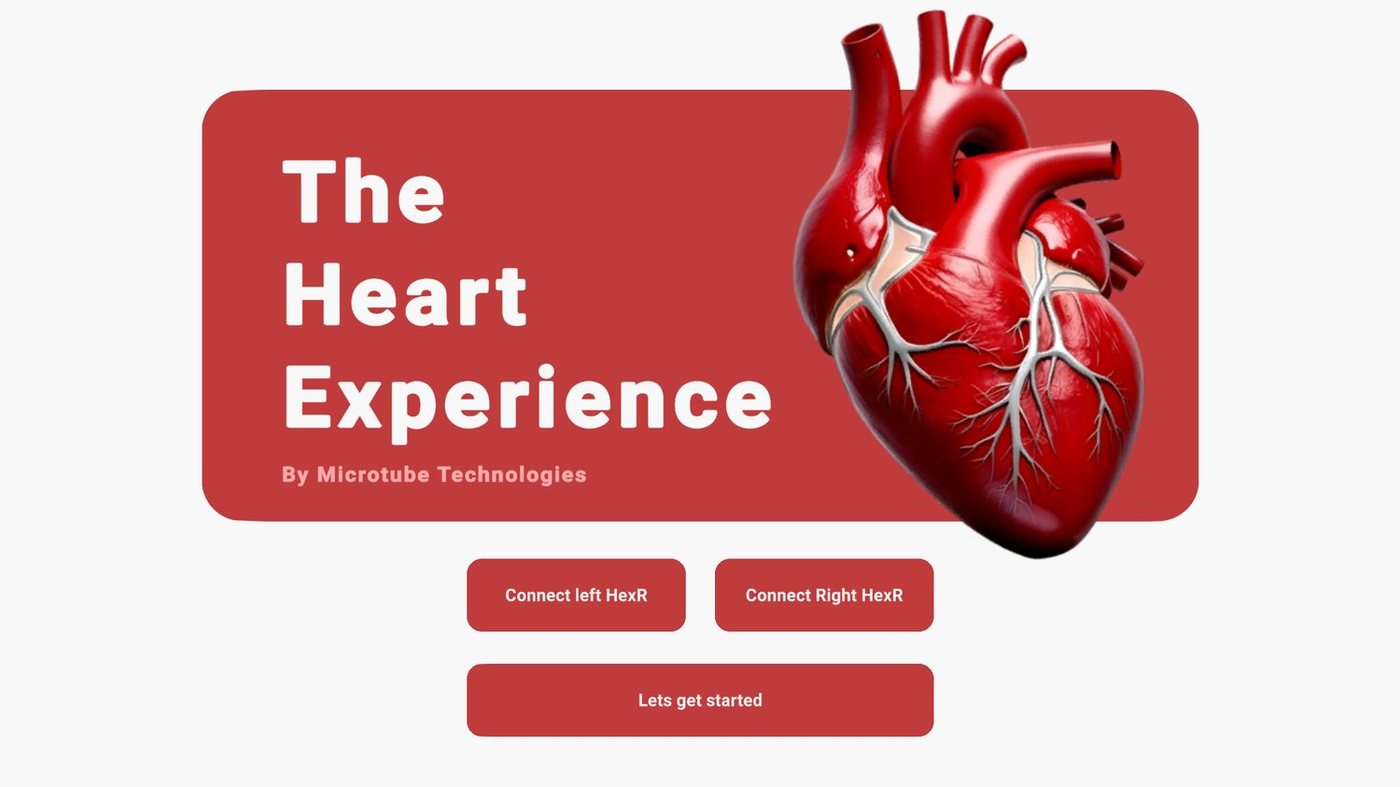
Hold a virtual heart and feel how smoking, diet and exercise change its beat. Watch ↗
Hospitals built training on it.
TTSH and SMRT trained nurses with it. Prime Minister Lawrence Wong tried it on Nurses’ Day.
Bringing haptics into clinical training.
Working with SGH Academia, I helped build a rheumatoid arthritis examination where medical students can press virtual joints and feel simulated tenderness through the glove. Watch ↗
Then the patient talks back.
Each session ends with an AI-powered patient discussing the diagnosis.
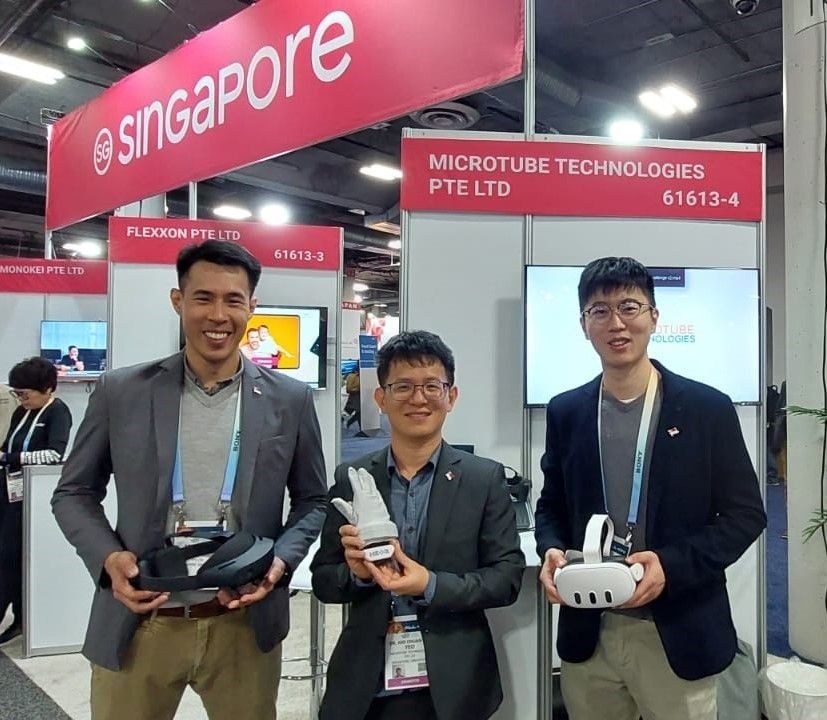
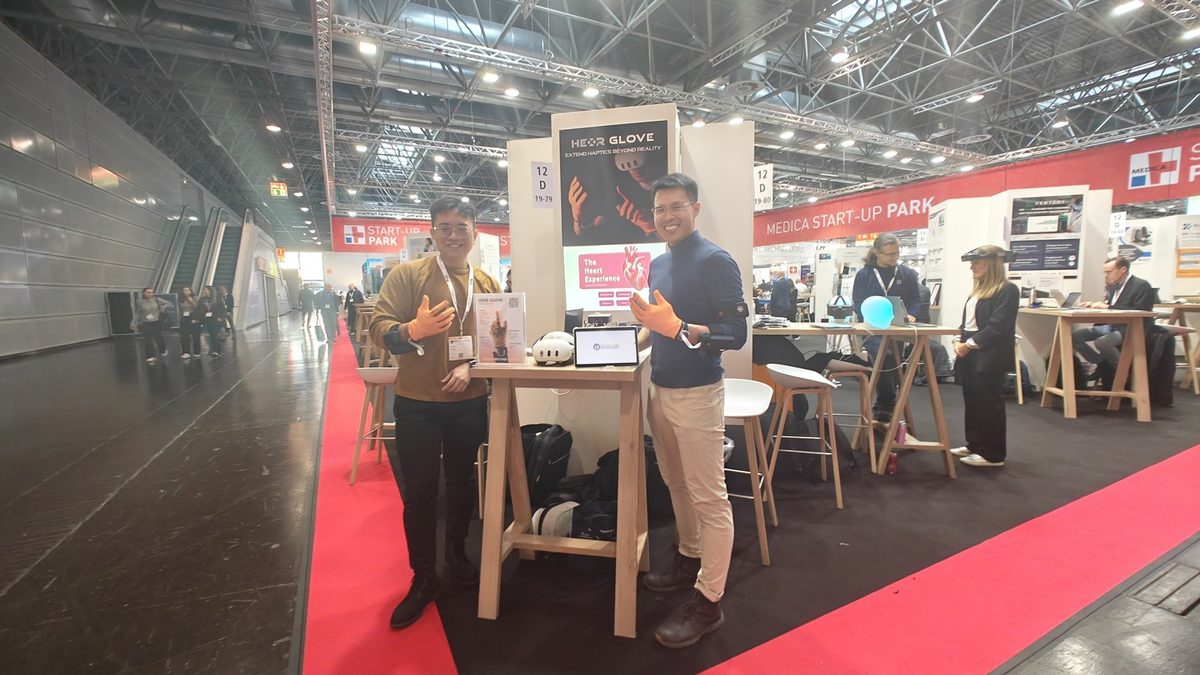
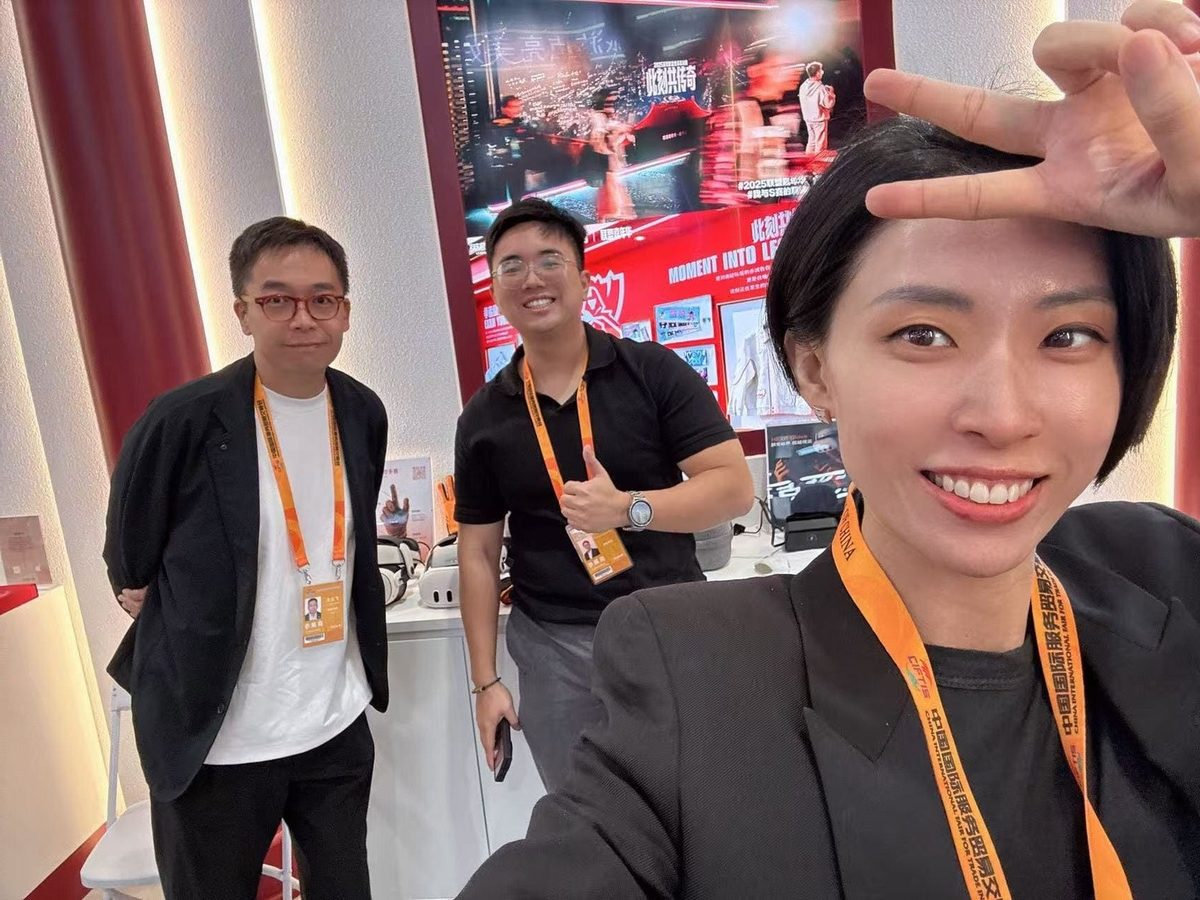
We took it to CES, MEDICA and CIFTIS.
Las Vegas in 2024, Düsseldorf in 2025, Beijing in 2026.
 Index
Middle
Ring
Pinky
Thumb
Palm
Index
Middle
Ring
Pinky
Thumb
Palm
 NUS research prototype
- Arm module design
- Glove design
- Indenter R&D
- Manufacturing
- SDK & developer guide
- Headset support
- Demos
- Developer page
- Getting started
- Installation
- Quickstart
- Connecting the glove
- Triggering feedback
- Hand-tracking
- Calibration & fit
// pair the right glove over Bluetooth
ConnectRightBT();
// then add HexRGrabbable to anything
// you want the hand to feel
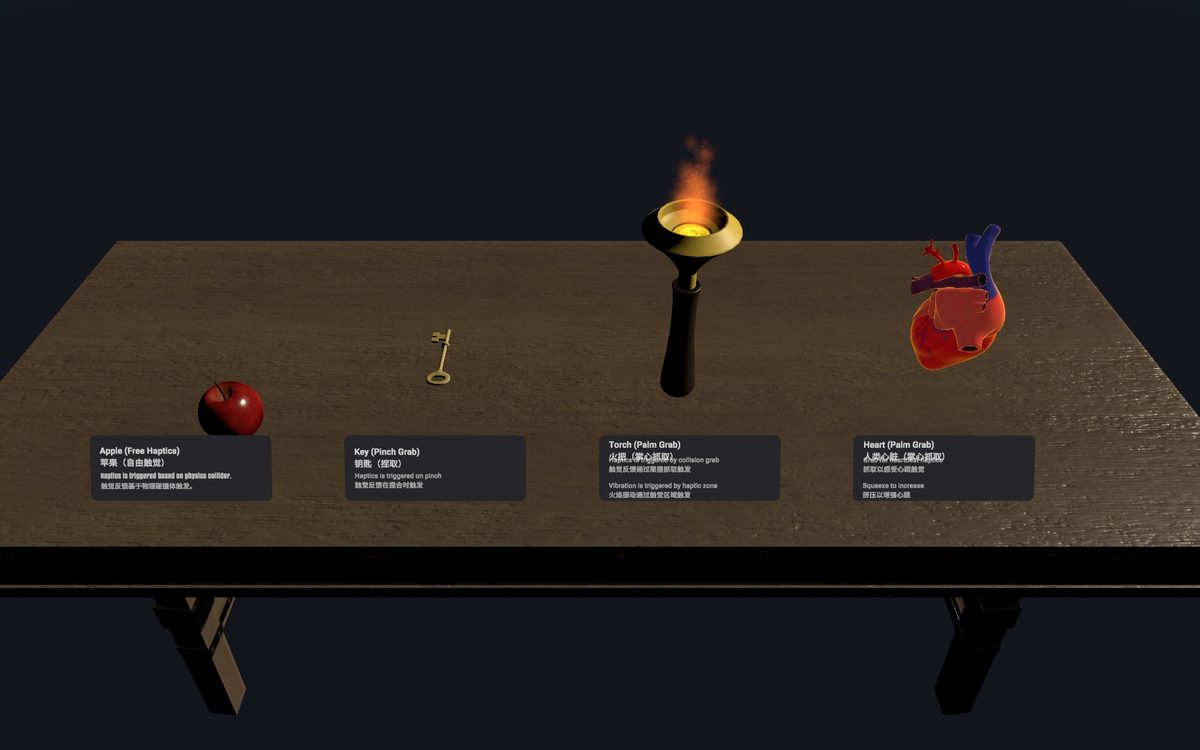 Grab
Grab
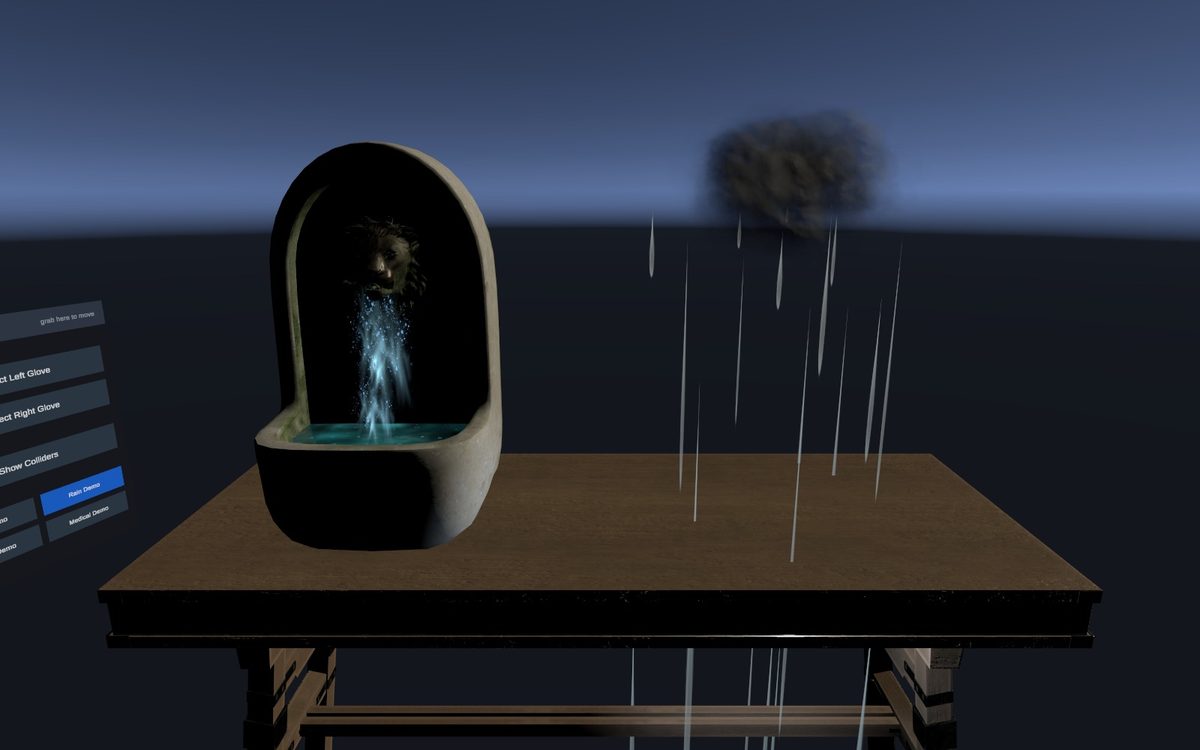 Rain
Rain
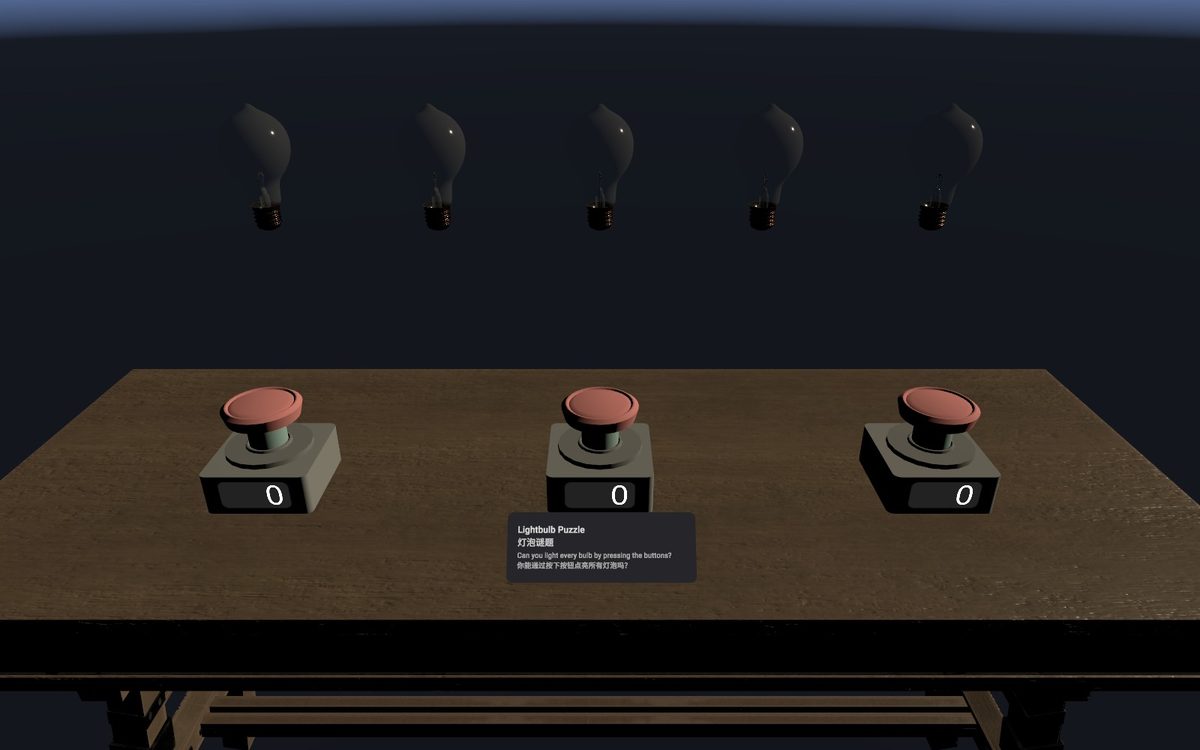 Buttons
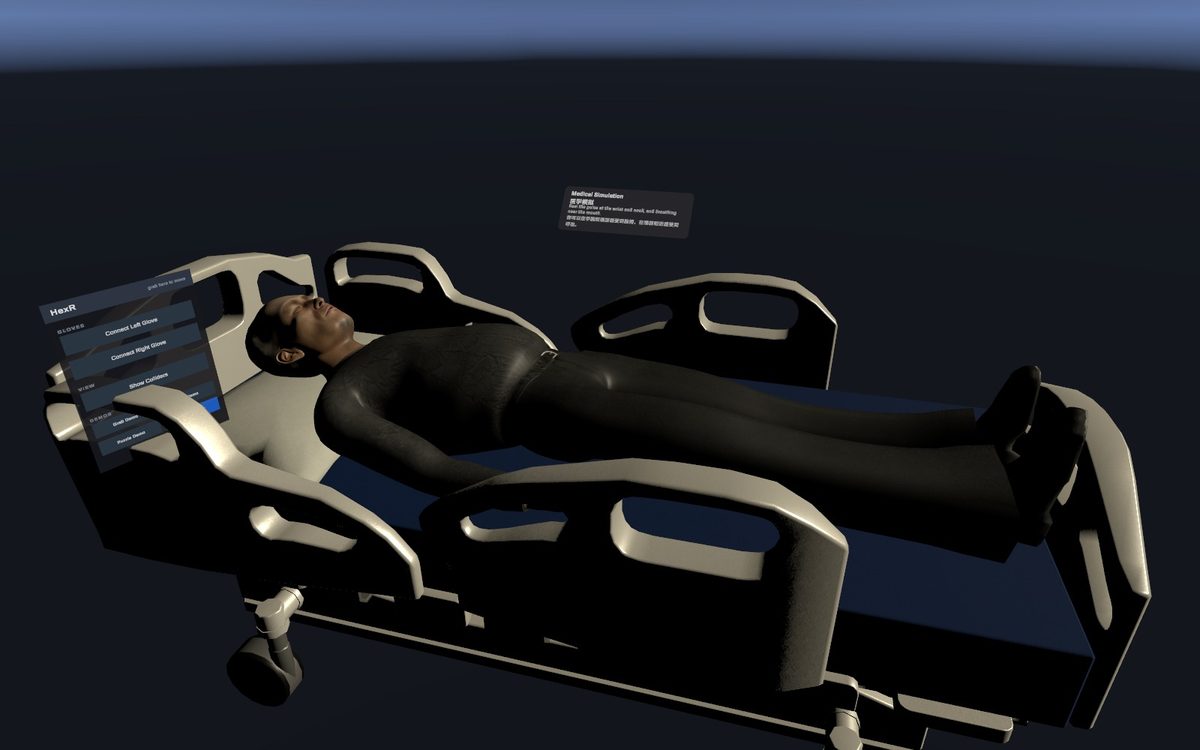 Patient
Pico 4 · demo scenes
Patient
Pico 4 · demo scenes
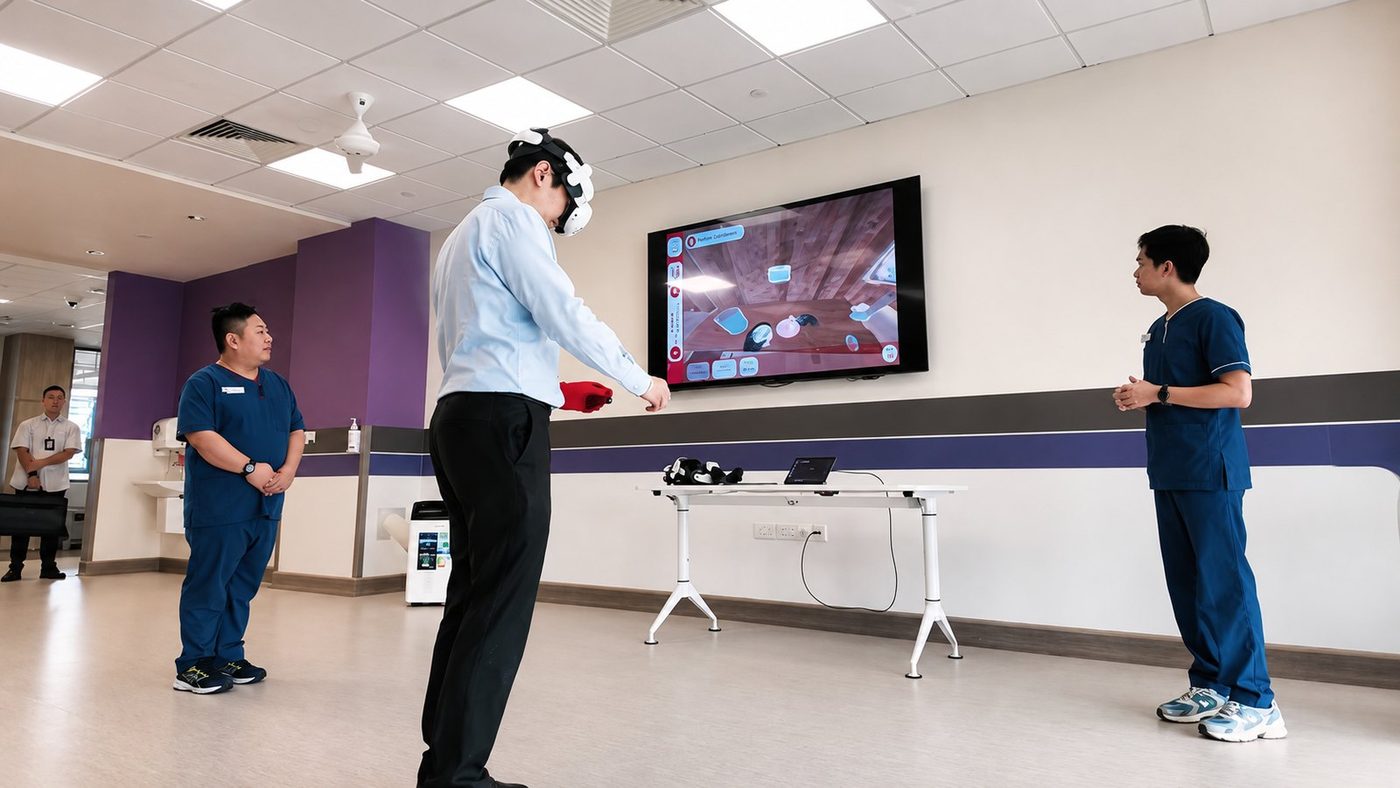 TTSH × SMRT · nurse training
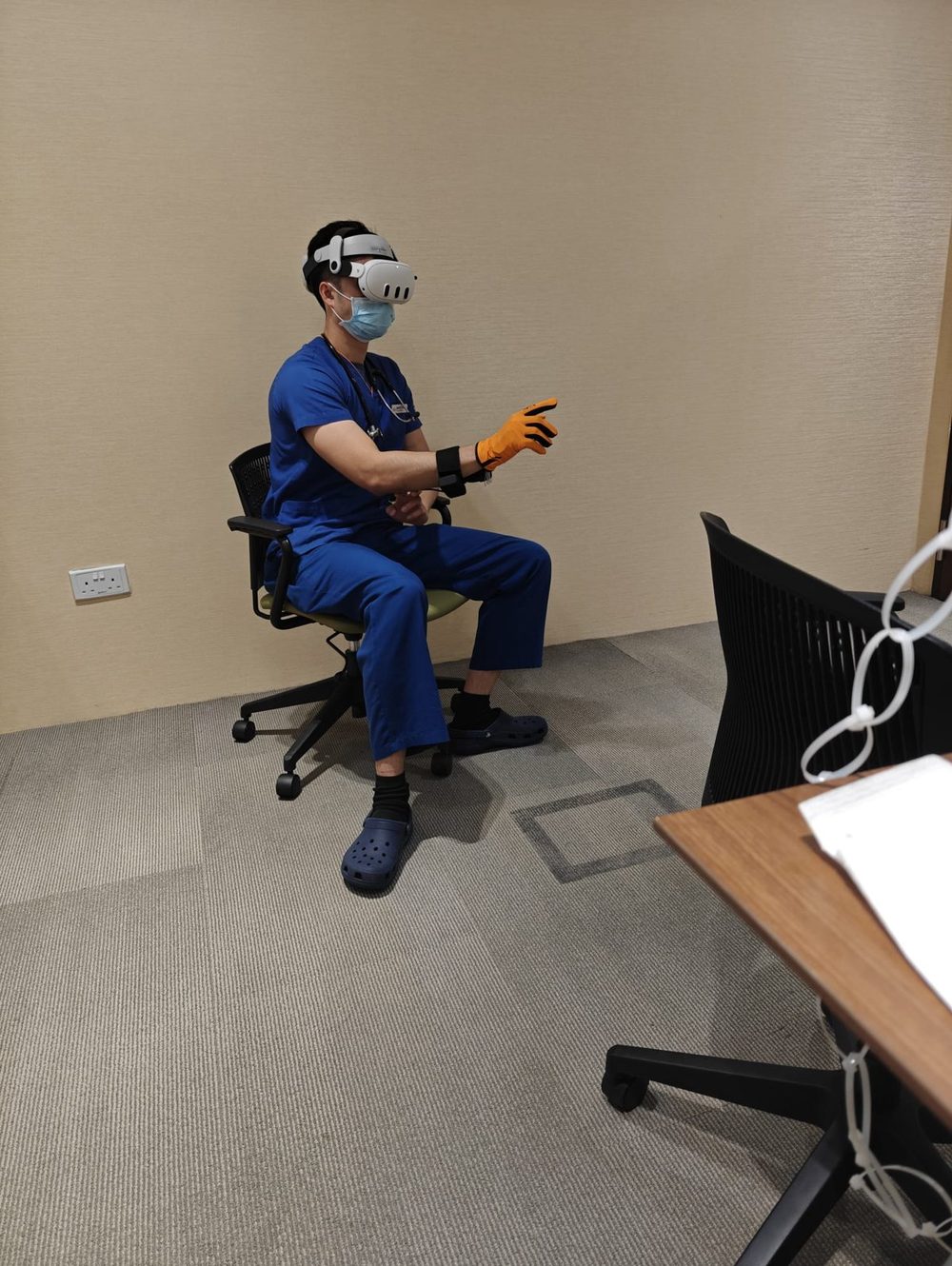 SGH Academia · arthritis exam · 2024
ARIS
A strength wearable I co-invented, and the story of how I built it.
I co-invented a new kind of strength wearable.
ARIS reads the muscle, not the motion. Worn on the arm or thigh, it counts every rep and measures speed and power as you lift.
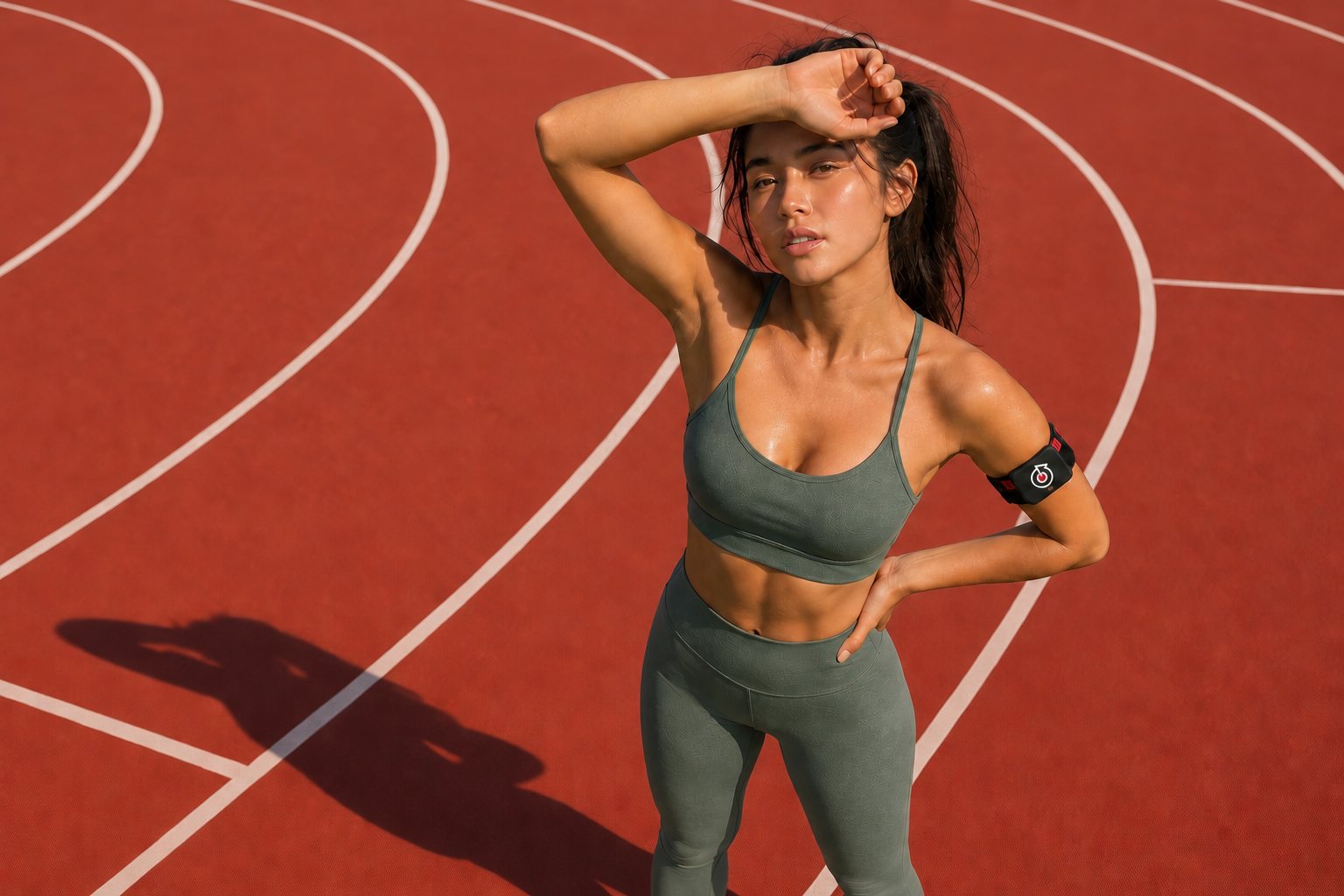 ARIS · worn on the upper arm


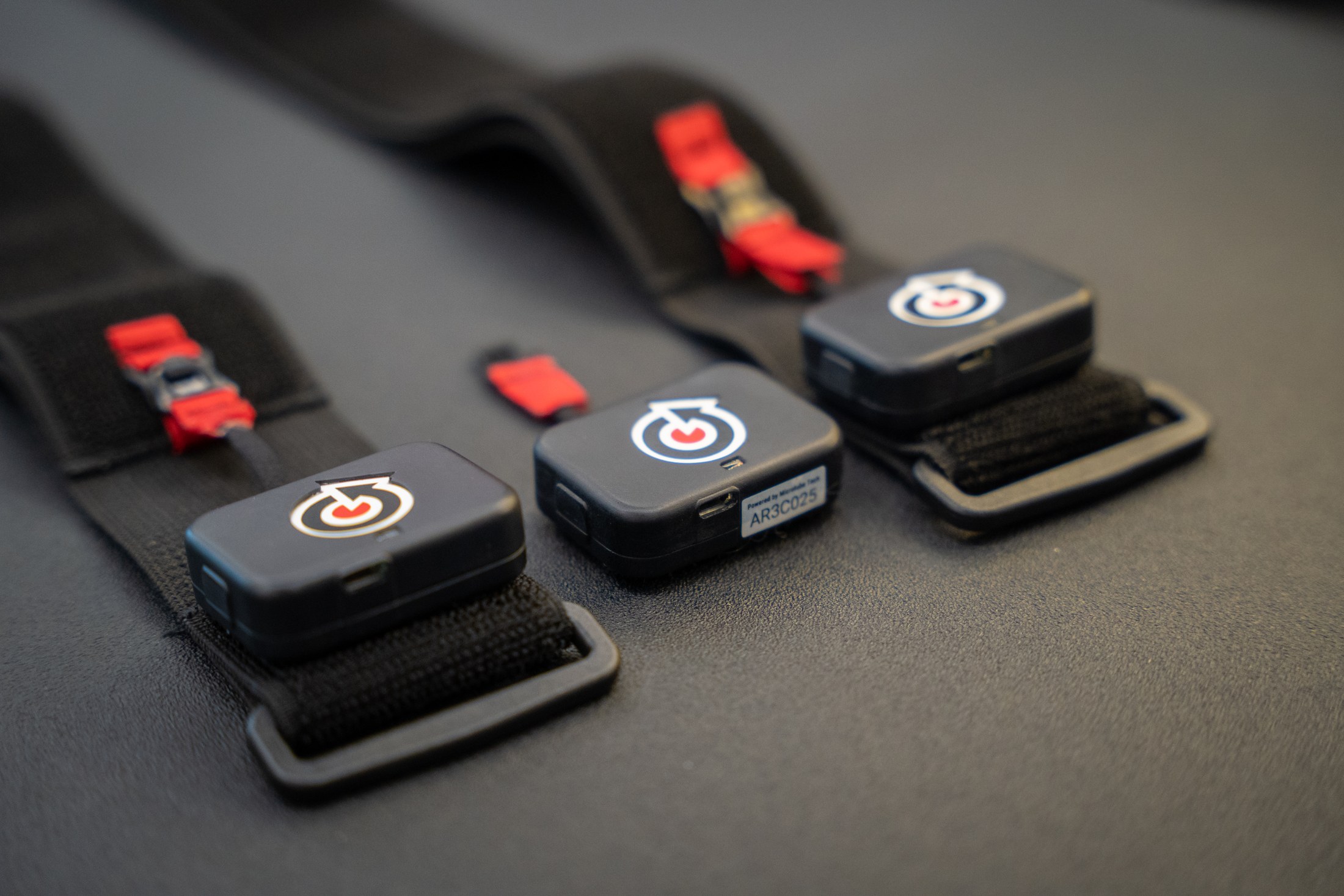
I co-invented a band that feels the muscle.
It reads the stretch of Microtube’s FlexR sensor as your muscle swells.
I wanted every rep counted for me.
No buttons, no logging. Speed and power arrive with each rep.
We started with a sensor, not a product.
We filled a whiteboard with ideas for Microtube’s stretch sensor.
One idea stood out.
Somewhere around rep eight I’d lose track, so I could never tell if I was getting stronger.
I sewed a prototype and took it to the gym.
I tested every workout I could and recorded the data to analyse.
My first hurdle: one noisy line.
Hundreds of gym movements, and the band hears everything, not just training.
I learned to clean the signal.
Filter and normalise until each exercise has a shape I can recognise.
Then I taught it to find the rep.
Where each repetition starts and ends. The hardest problem I solved.
I made the data mean something.
As a certified trainer, I chose what the numbers should tell a lifter.
The hardware and firmware? Nope, not me.
Past my sewn prototype, the band needed real circuits, a real case and firmware.
Enter the Microtube team.
They built the hardware and firmware, and I went on to focus on the software.
I designed the app around the body.
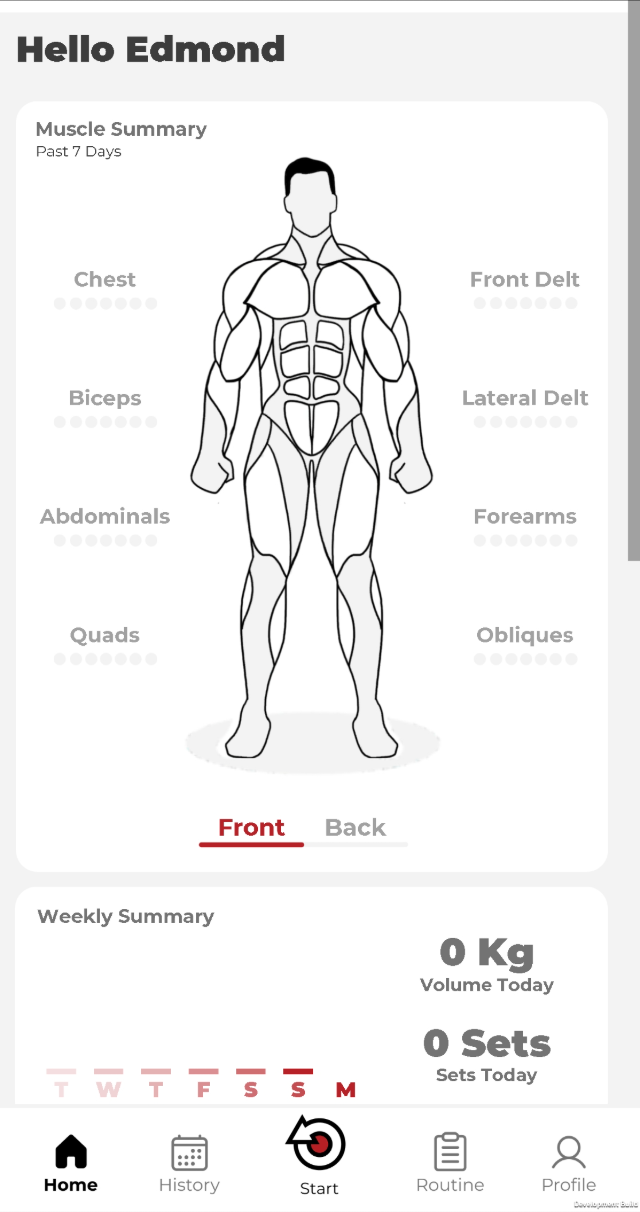
Seven days of training on a muscle map, so gaps show at a glance.
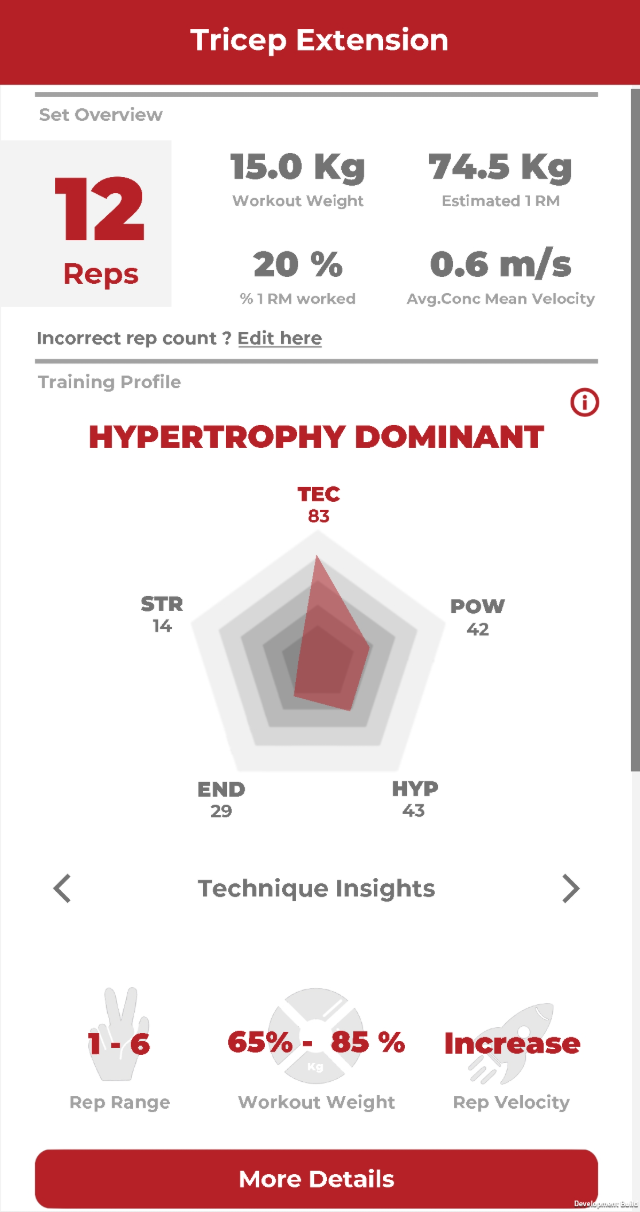
I scored every set.
Reps, load, estimated 1RM and training type, the moment the set ends.
I designed for two kinds of lifter.
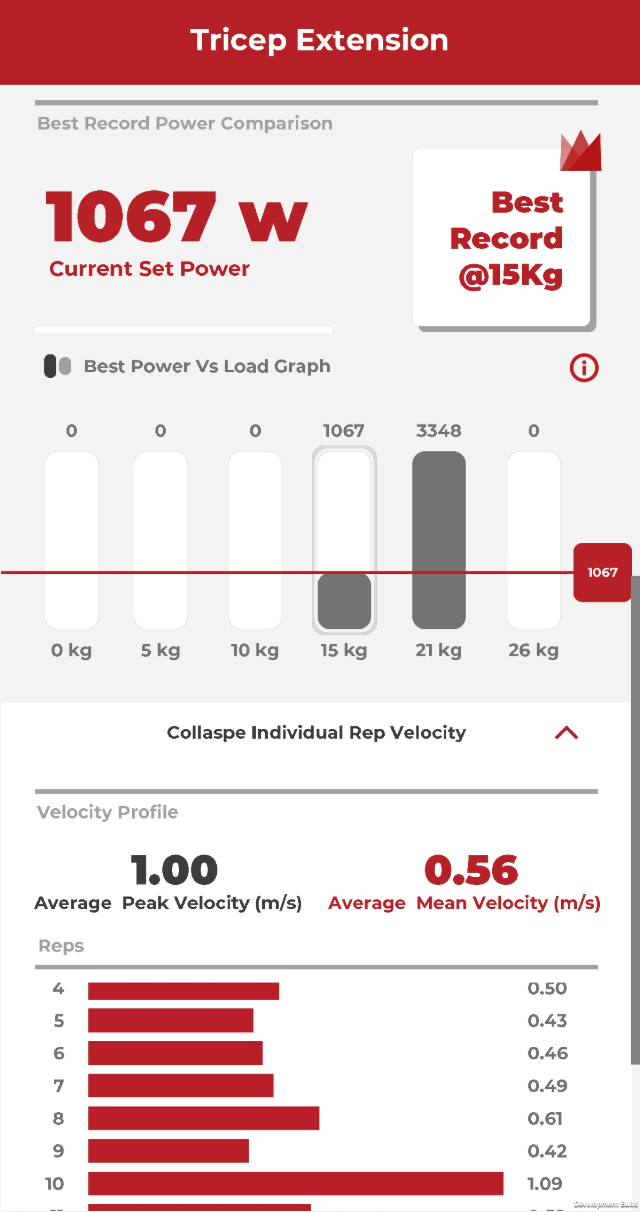
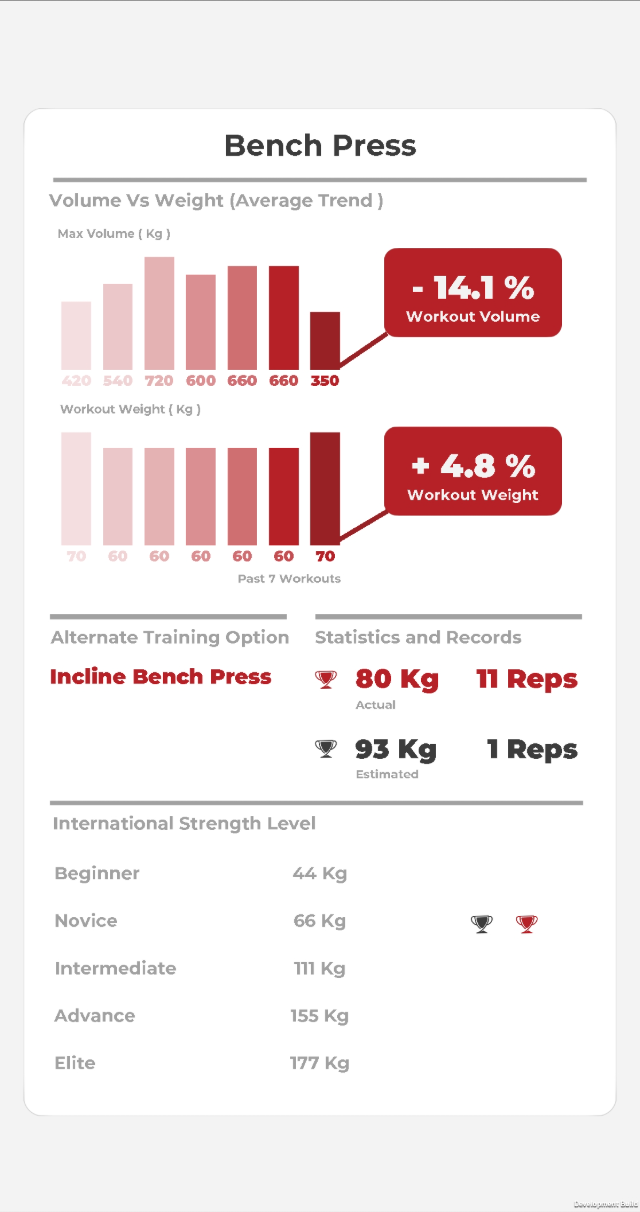
Beginners get simple advice. Advanced lifters get power per rep.
I let users test every screen.
Surveys, A/B tests and paid beta testers shaped each version I shipped.
My hardest phase: the cloud.
Phones get lost and replaced. A lifter’s training history can’t.
I tied every session to a person.
Accounts link each band and each workout to one lifter.
We designed the data and built the backend.
I learned Firebase as I built it.
Then we scaled to Google Cloud.
A colleague built out GCP. I learned BigQuery to read across all users.
We pitched it across Asia.
Expos, investor events, and a session with fitness instructors in Bali.
I built games to teach the sensor.
Our push-up challenge explained the sensing faster than any poster.
I shipped it to two app stores.
ARIS went live on iOS and Android, two years after the brainstorm.
Now I’m taking it two ways.
ARIS PRO for lifters chasing power. ARIS Go for patients rehabbing at home.
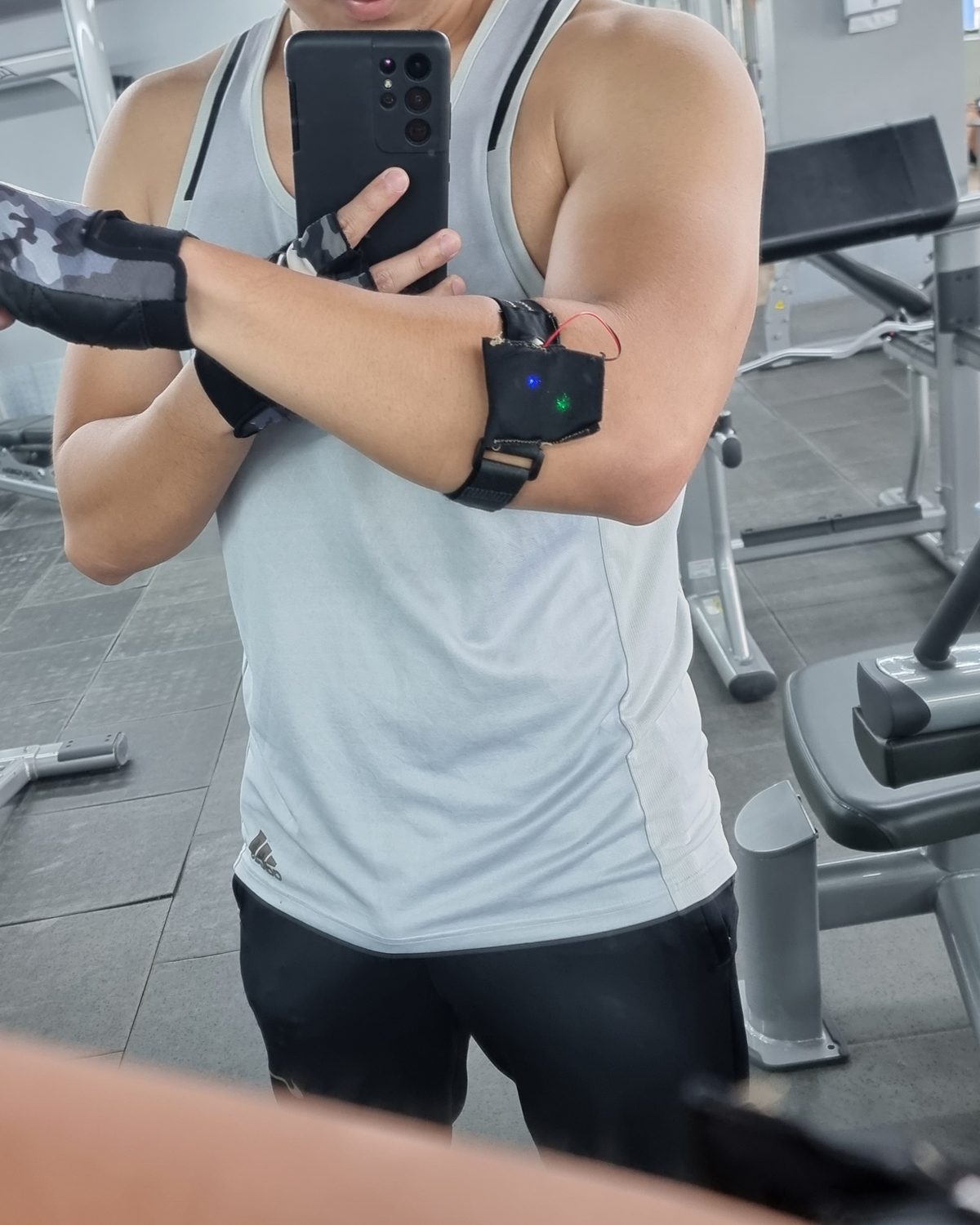 Prototype 01 · hand-sewn · 2022
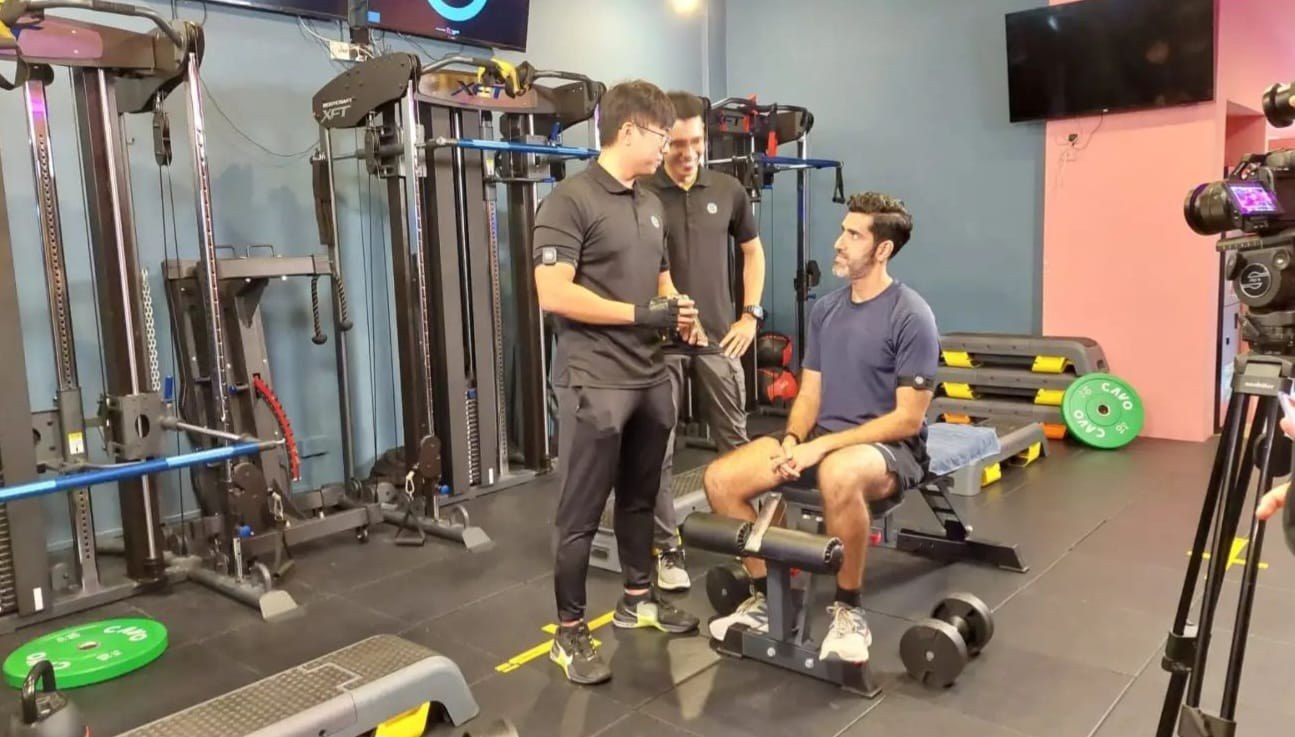 CNA · What’s The Big Deal? · 2022
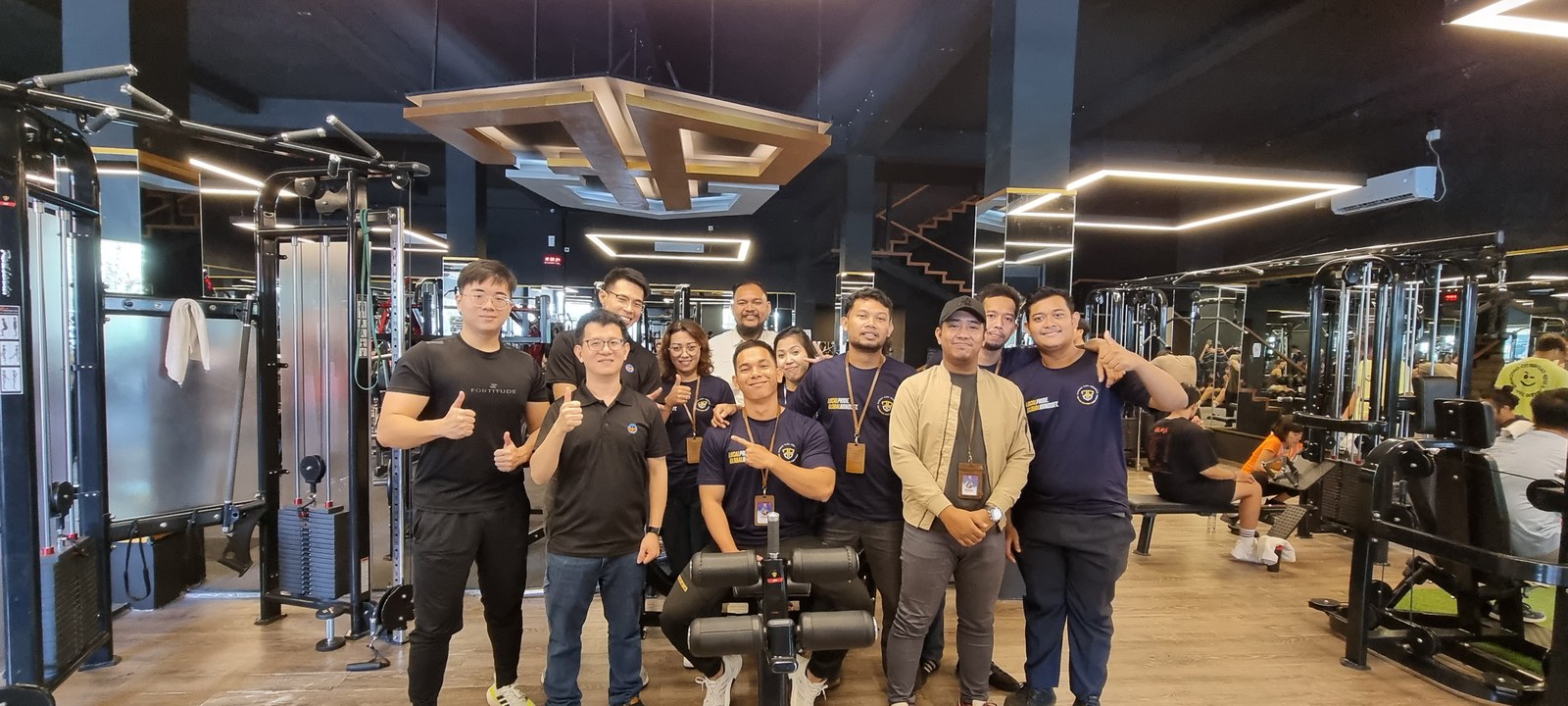 Fitness Plus × ARIS · Bali · 2023
Darurice
A card game with cute characters, strategic gameplay, and karma.
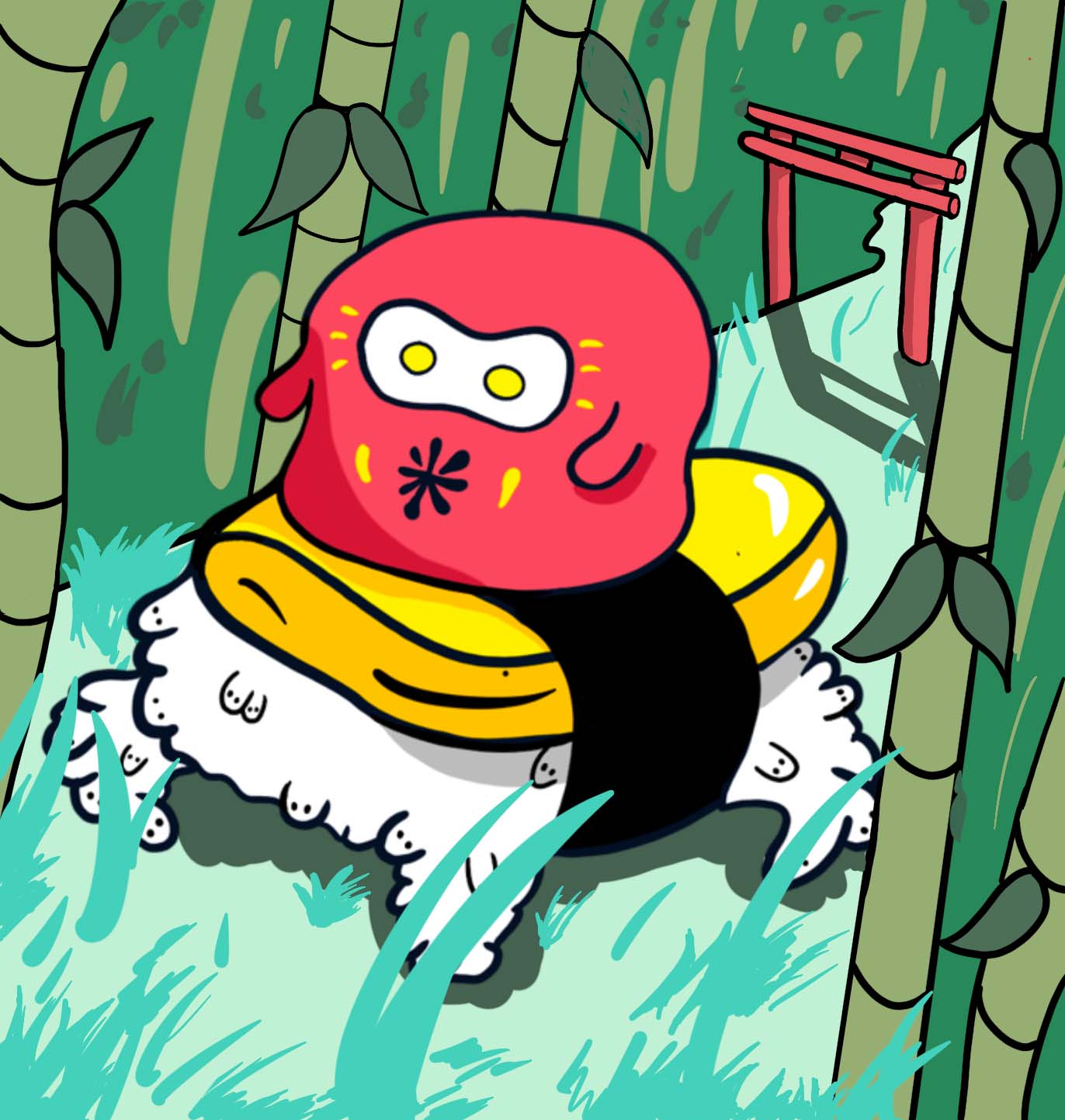
Where it came from
A painting I made for my room: a Daruma riding a sushi horse, leading his rice army to war. The game grew out of that.
Why I built it
Darurice is the passion project I worked on in my free time at university. I wanted a way to practise digital illustration and character design, and a card game was the perfect excuse to merge drawing with gaming.
Since I knew I wanted a cast of cute characters, I built the theme around rice — and the Riceniverse followed.
.png)
.png)
Illustration
Welcome to my gallery.
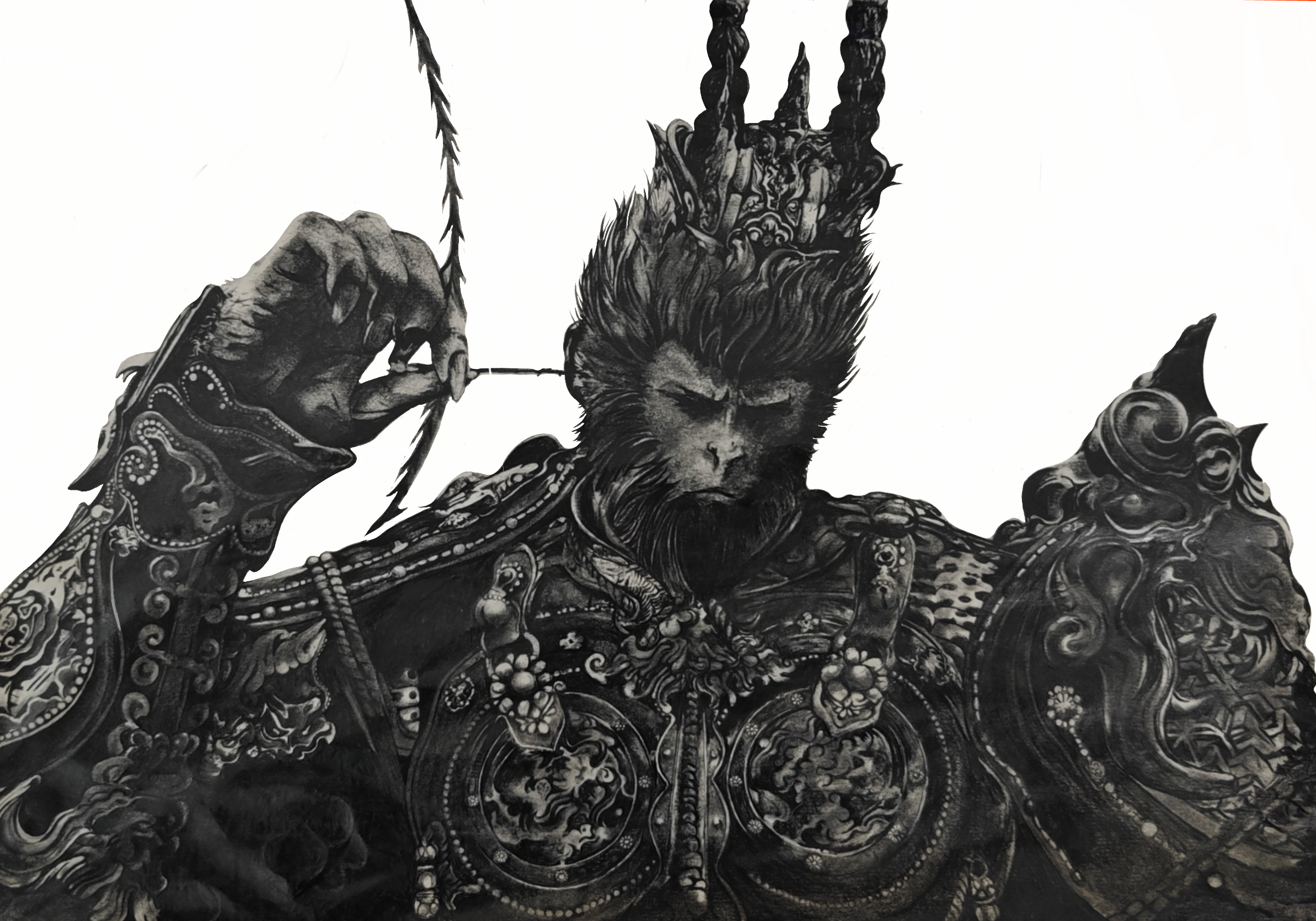
An expression of my passion — realism, contrast, dreamy and cute.
The gallery
{{ artCount }} — click any piece to enlargeNew work goes up on Instagram before it ever gets here.
@thiphobia_artsEdmond Chang
Jea Ginn
I'm the Chief Technology Officer (CTO) at Microtube Technologies, where I bridge technology and design to create products that are functional, beautiful, and innovative.
My passion lies in turning ideas into tangible experiences — combining engineering precision with thoughtful design to shape meaningful, user-centered solutions.