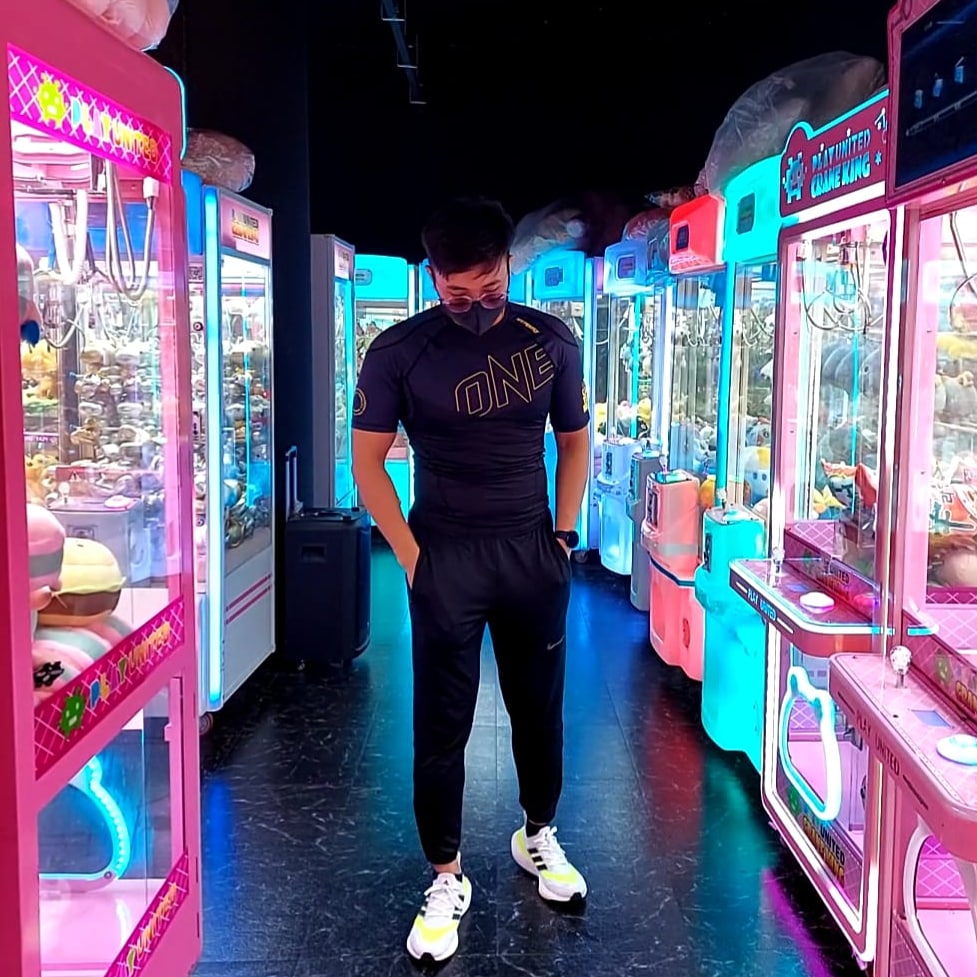
Edmond
Chang
Edmond
Chang
Others
Work that is too early to have a page of its own.
Microtube's flexible strain sensor — the component that ARIS, ARIS Go and the haptic glove are all built on top of.
I have worked on it since joining the company, improving how it is manufactured and how stable its readings stay over time and use.
The eventual form is a patch worn on the neck that senses the carotid pulse directly — a signal that is difficult to read reliably by hand and difficult to read at all from the wrist.
It is an alternative route to heart rate: rather than reading light through the skin, a pressure sensor picks up the physical deformation the artery makes as it expands, and that deformation is translated into a pulse rate.
It is at proof-of-concept stage with a patent pending, so there is not much to show yet. I'm a co-inventor. More will go here once it is further along.
Thiphobia
Tinkers
My collection of small apps.
Everything here started as something I wanted and could not find without signing up for an account first.
They are small on purpose. Each one does a single thing, keeps what you put in on your own device, and is free — no subscription, no advertising, nothing collected. Three so far; more when something annoys me enough.



HexR Haptic Glove
A haptic glove for VR and AR that lets you feel the virtual world.
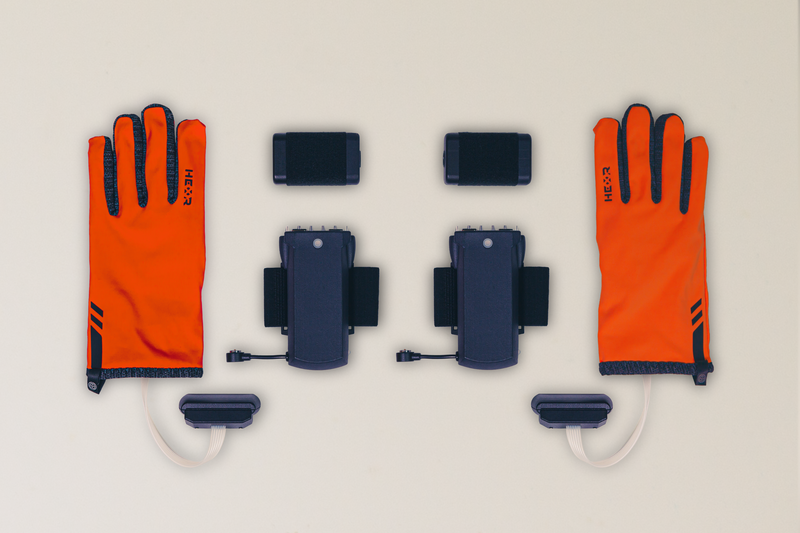
Chief Technology Officer (2025)
The problem
VR is moving fast and hand tracking is becoming seamless across every major headset. As the industry drops controllers, touch is the next leap.
HexR is built for that future: a glove that adds tactile feedback to training and simulation, where being able to feel what you are doing is the difference between watching a procedure and learning it.
My part in it
As CTO I lead the glove's whole software ecosystem — the plugin architecture, the developer-facing UI, and the interactive demos that show what the hardware can do. I lead integration across Meta Quest, Pico, HoloLens, Python and ROS so the glove works wherever our customers already are.
Beyond software I was directly involved in R&D and prototyping of our proprietary haptic actuators, and I still oversee small-batch manufacturing ahead of full outsourcing. I manage commissioned VR simulation projects — including medical simulations with NUH — run client presentations, support sales, and produce the manuals and instructional assets partners rely on.
What it has been used for
Commissioned simulations and demos built on the glove.
Nurse Training
A VR nurse training programme built by TTSH and SMRT using our HexR haptic glove.
The project was featured in a video by Singapore Prime Minister Lawrence Wong.
Arthritis Training
A research study with SGH Academia into whether VR and haptics can let junior doctors practise patient examination.
The doctor works through a virtual interaction and the full procedure for checking for rheumatoid arthritis, feeling the joints through the glove — then closes the session talking to an AI-powered avatar patient.
Pilot Simulation
A demo built for a competition on the cockpit SIA provided — switches, levers and detents that push back, so the hand learns the panel without the aircraft.
HexR Demo
The glove on its own: pick things up, feel their weight and resistance, and let go.
Developer framework
The plugin architecture, developer-facing UI, documentation and tutorials that let someone else build for the glove without talking to us first.
I designed the plugin API and the integration path across Meta Quest, Pico, HoloLens, Python and ROS, so the glove drops into whichever stack a team already runs. The tutorial repository is public.
View the tutorial repoMarketing & events
The manuals, instructional guides and client-facing material that make the glove usable by someone who did not build it.
I produce the visual assets and documentation, run client presentations, and support sales. Event coverage is still being put together — more here soon.
ARIS
A strength-sensing wearable, now in its second generation. One built to log your own training; one built into an ecosystem.
.jpg)
Why I made it
It started with my own problem at the gym: I can't find a tracker that count reps.
Health tech had gone personal everywhere except the weights room. Serious lifters care about power output and progressive overload, and were keeping both in their heads or a notebook. ARIS is the gym diary that fills itself in while you train.
My part in it
I'm co-inventor of ARIS at Microtube Technologies. Building on Microtube's patented FlexR sensor, we developed the hardware and the mobile application together — sensing, the rep-identification algorithm, the app, and the design around all of it.
Within two years we launched on the Google Play Store and the iOS App Store.
Two generations
Same band and the same sensing — what changes is who the data answers toTwo apps
One band, read two ways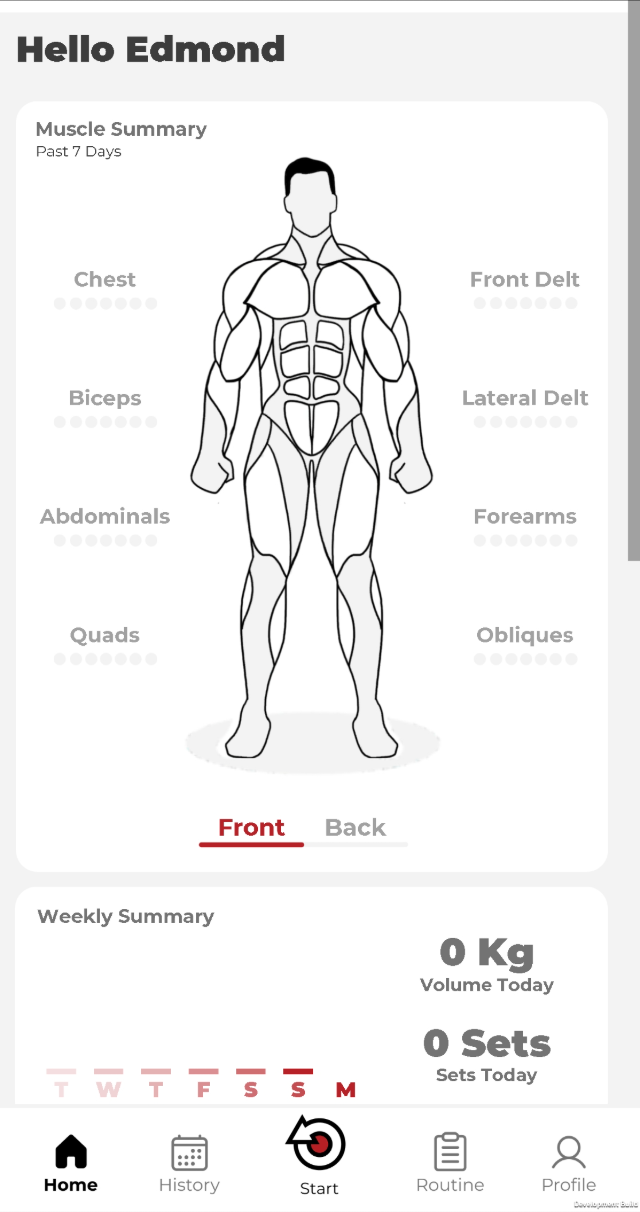
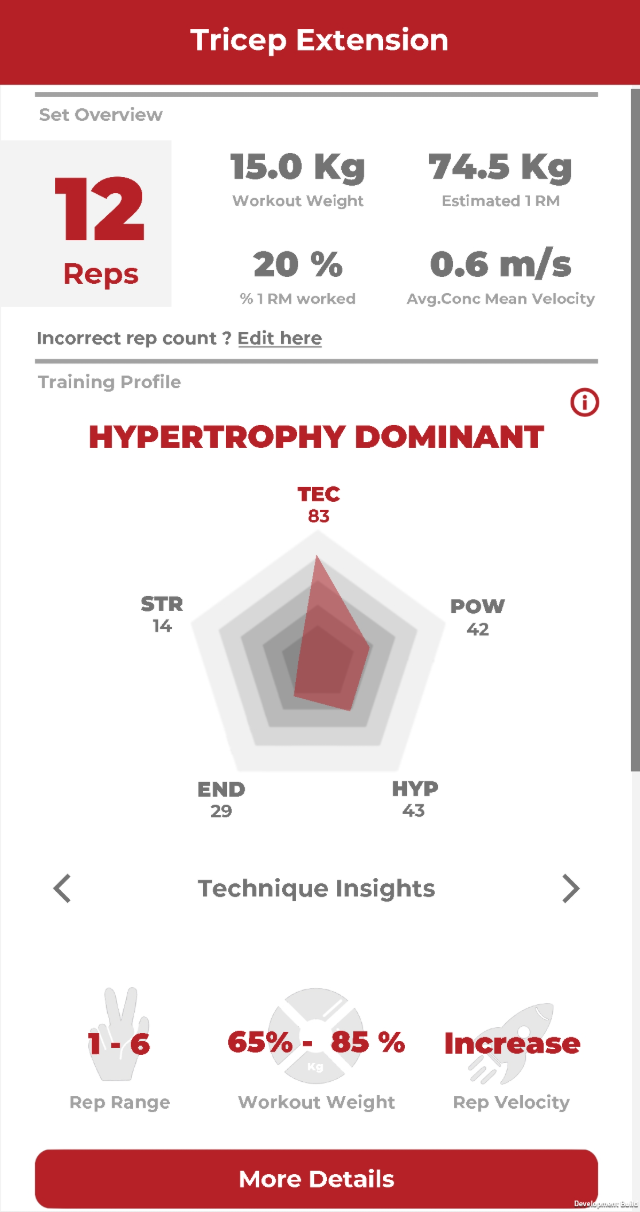
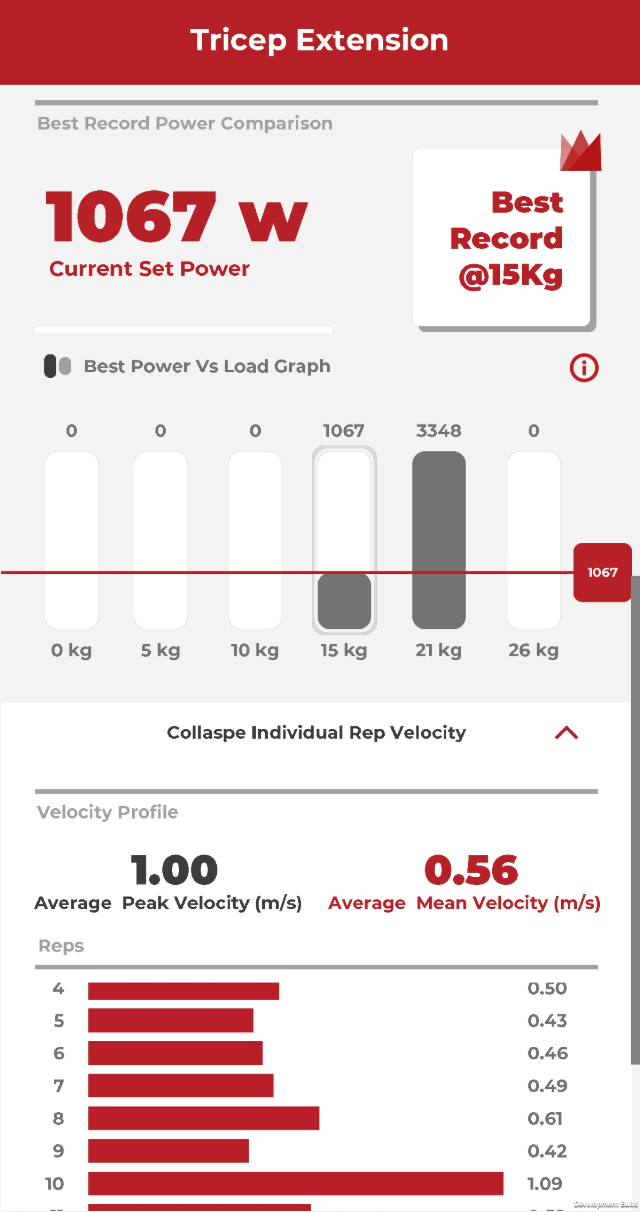
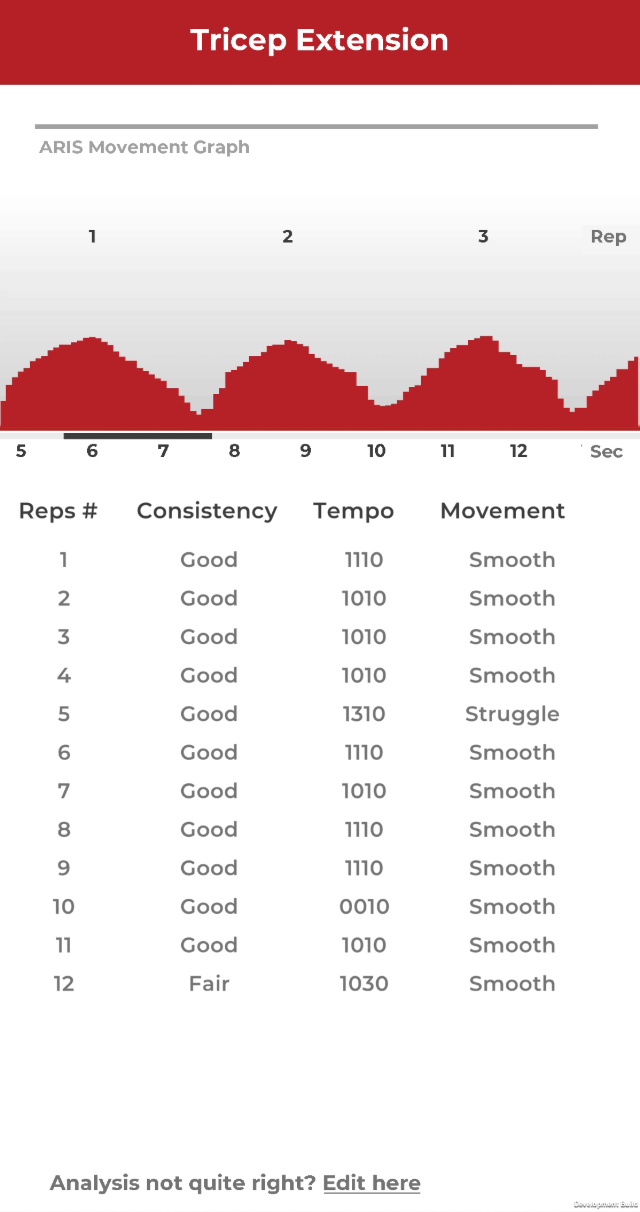
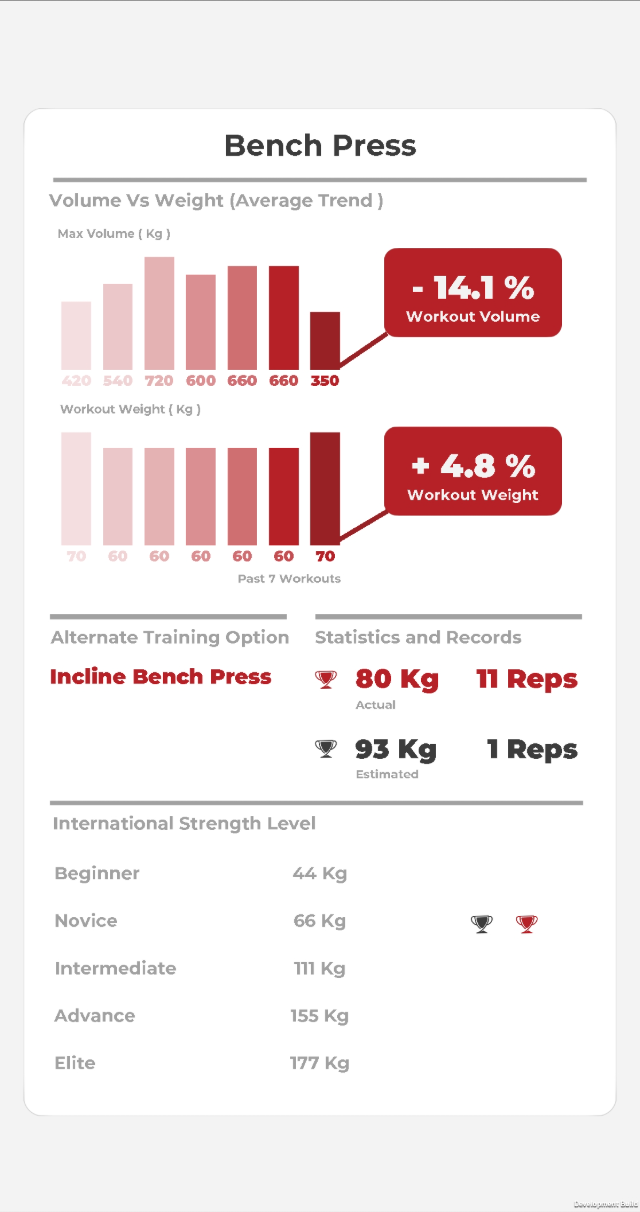
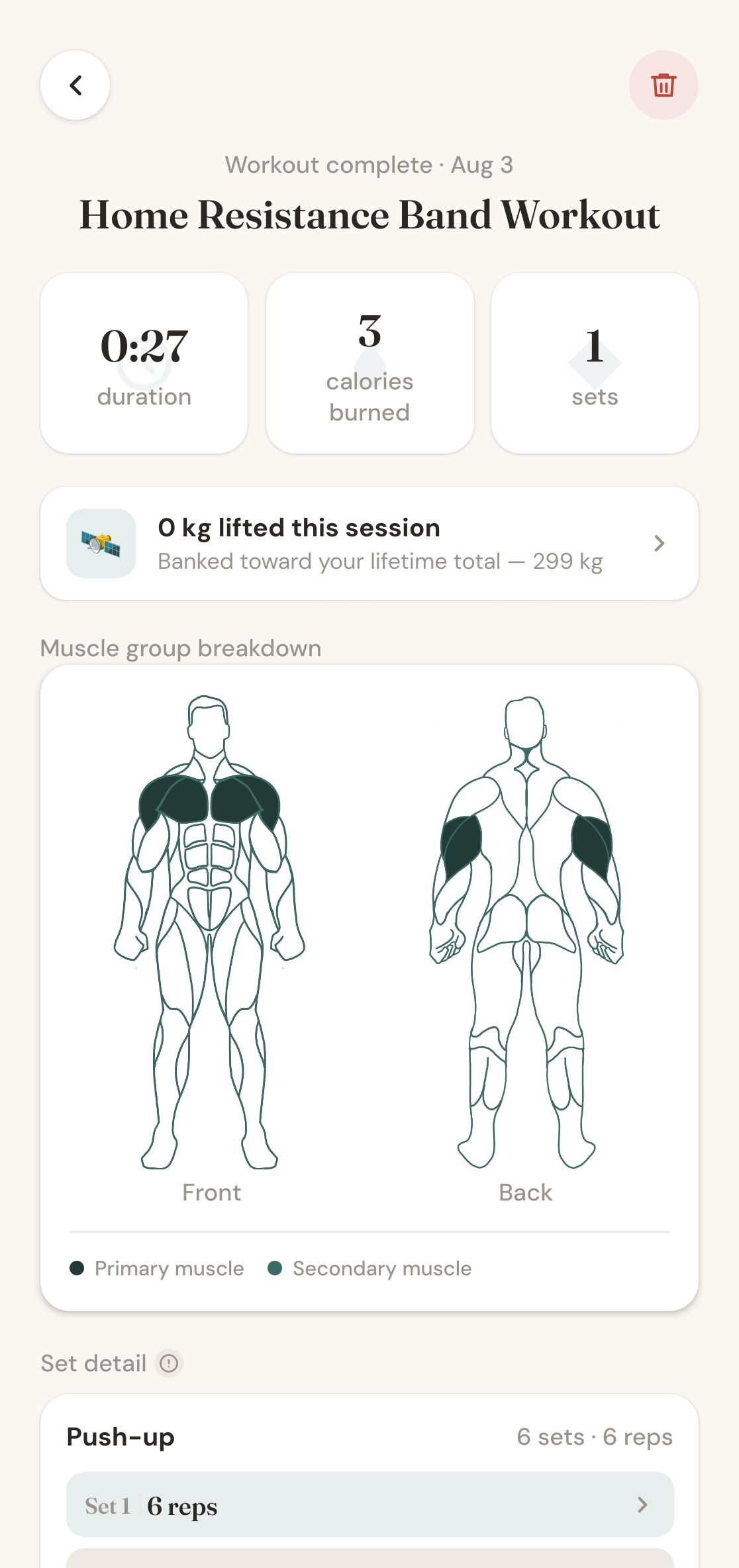
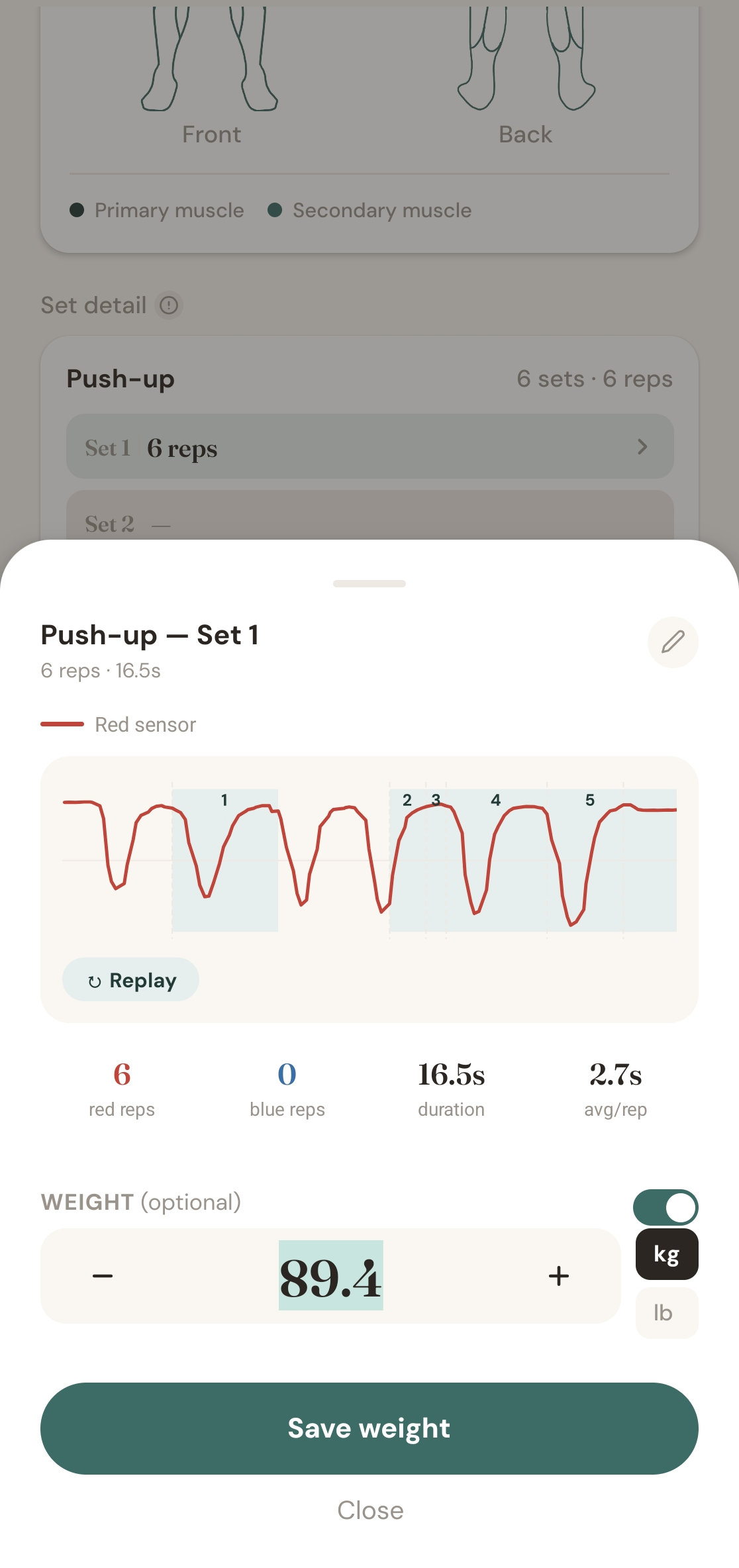
ARIS is built around one number: the rep. The band reads the movement, the app counts it, and training stops being a guess.
Every set arrives in the log already measured. The more you train, the more the app can say — a predicted 1RM, your standing records, and a muscle graph of what you have actually worked over the last seven days. Velocity on each rep turns progressive overload into something you can steer rather than estimate. Left to ourselves we stop a rep or two short of what we had in us; the numbers do what a coach does, and push.
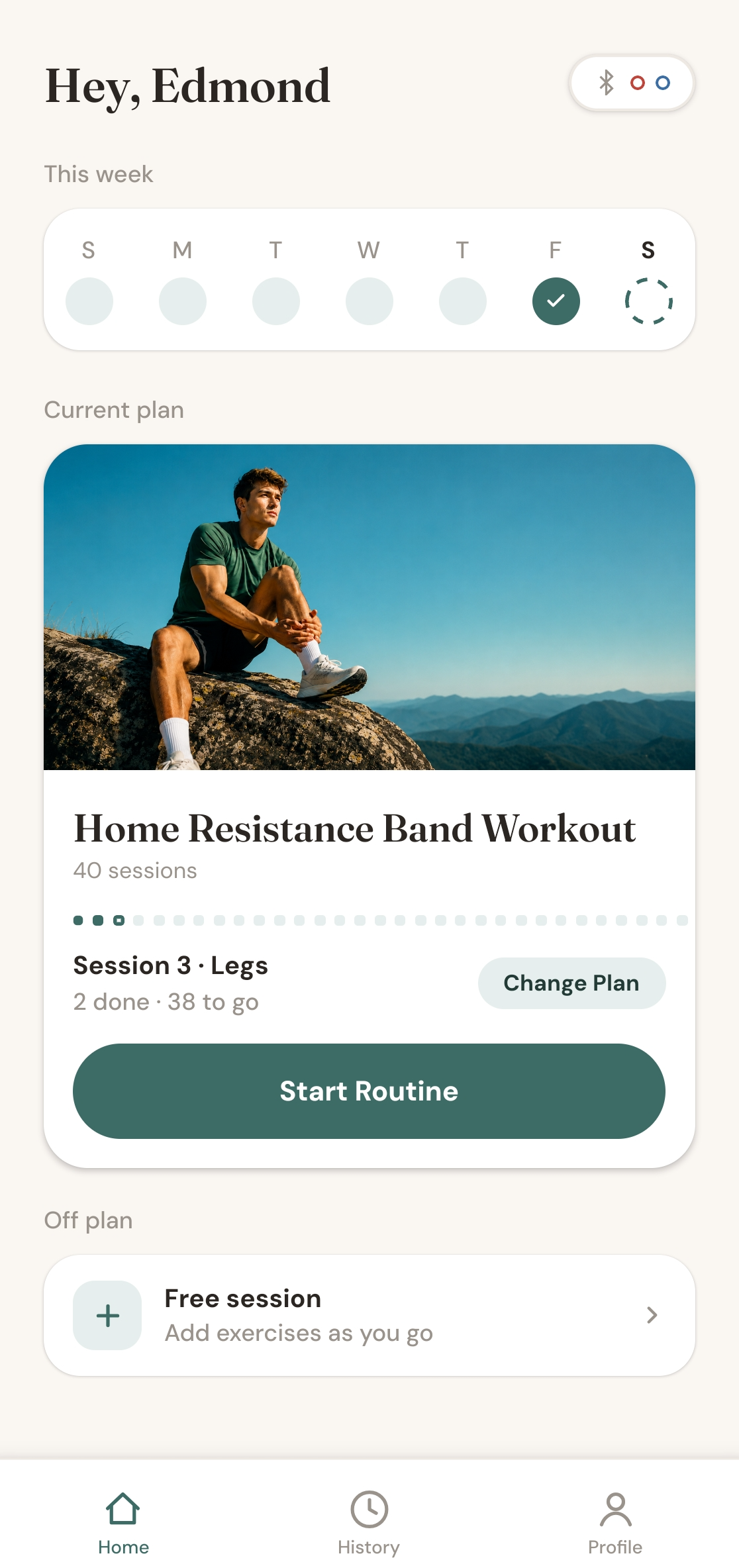
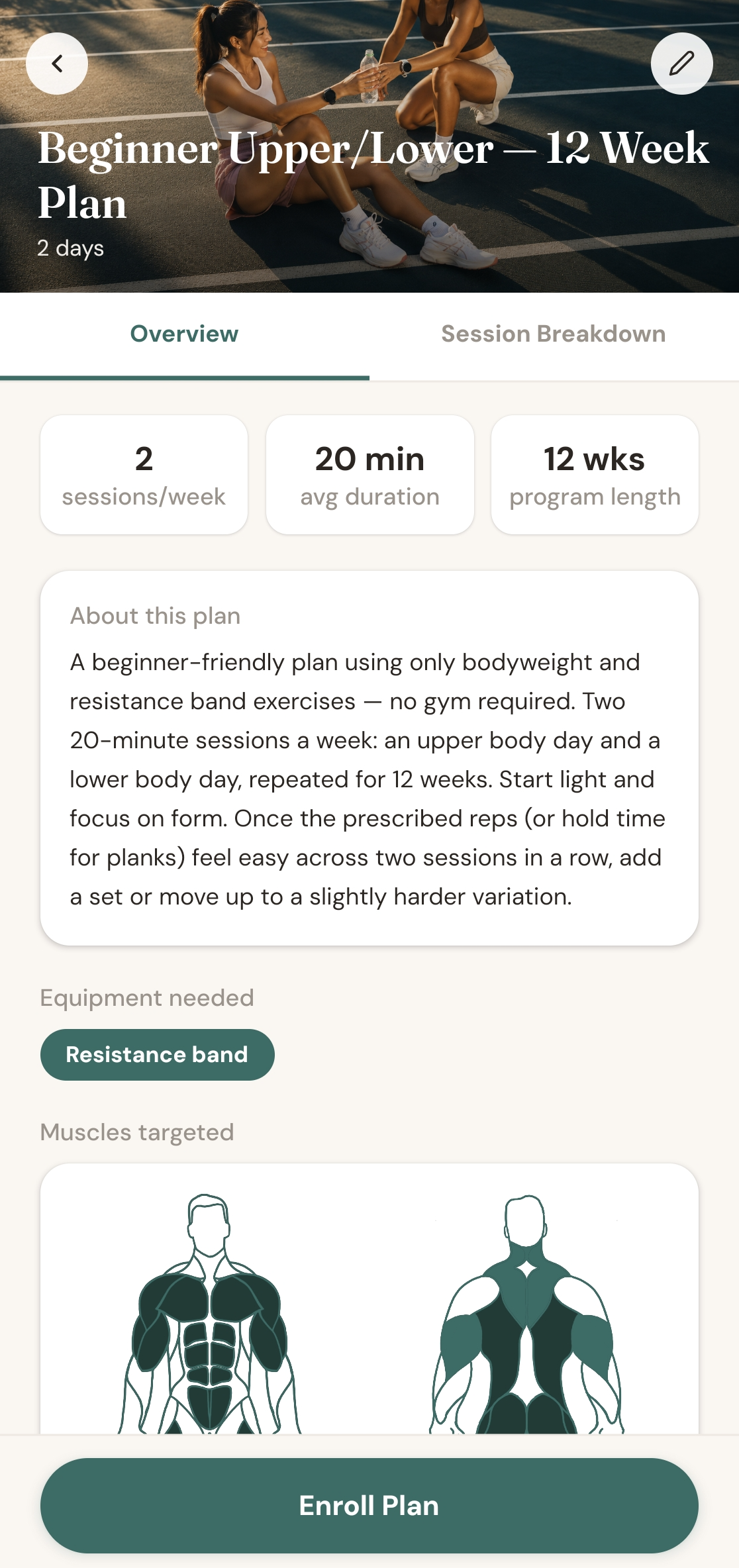
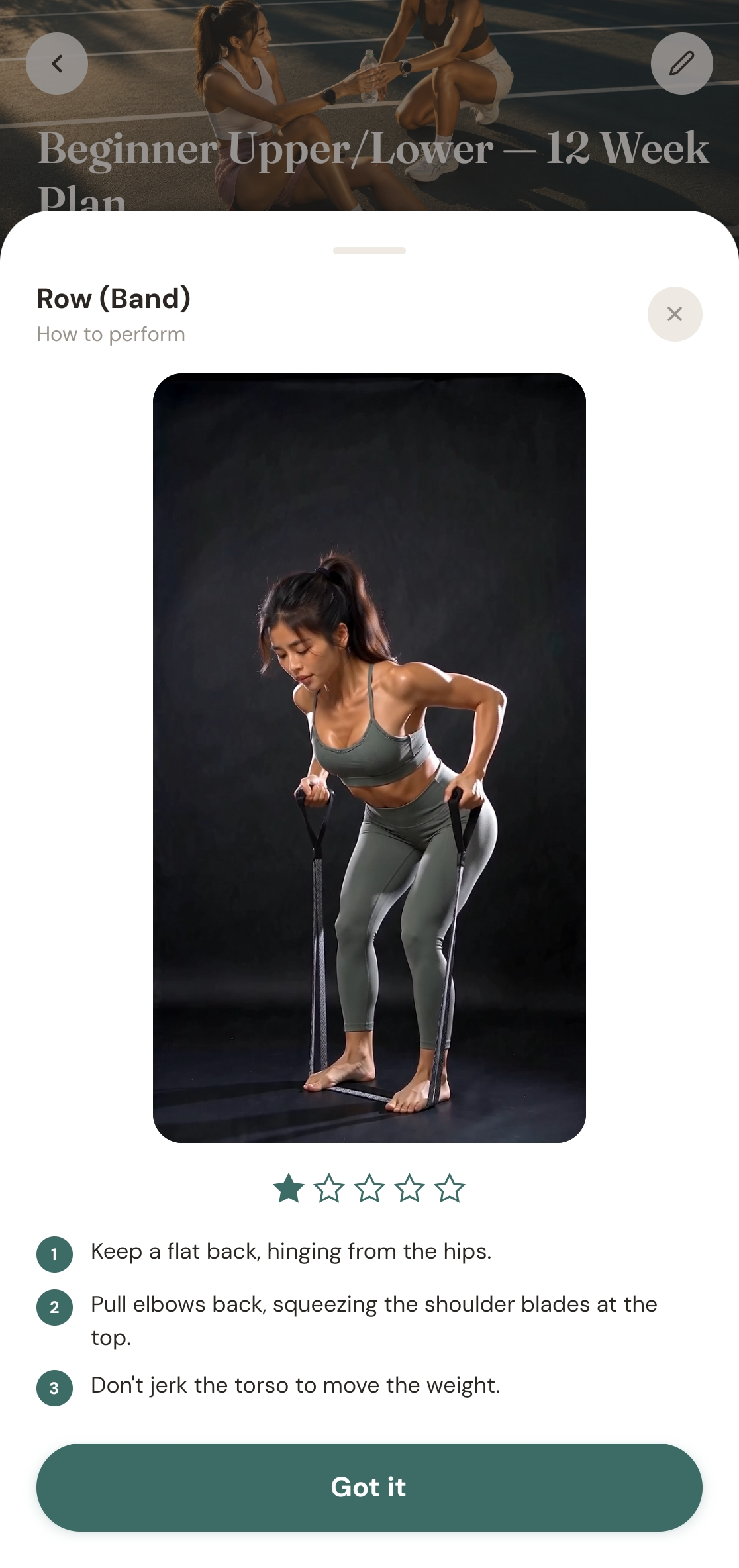
ARIS Go is the same sensing pointed at someone starting out. It runs a prescribed routine at home and reports back.
The screen shows only what a beginner can act on: the next exercise, a video of how it should look, and a clock. A muscle map keeps the week balanced instead of lopsided. Everything that happens at home lands in a web dashboard, so whoever wrote the programme can follow it without being there. The measure of success is not a personal best — it is that the session happened at all.
Darurice
A card game with cute characters, strategic gameplay, and karma.

Where it came from
A painting I made for my room: a Daruma riding a sushi horse, leading his rice army to war. The game grew out of that.
Why I built it
Darurice is the passion project I worked on in my free time at university. I wanted a way to practise digital illustration and character design, and a card game was the perfect excuse to merge drawing with gaming.
Since I knew I wanted a cast of cute characters, I built the theme around rice — and the Riceniverse followed.
.png)
.png)
Illustration
Welcome to my gallery.
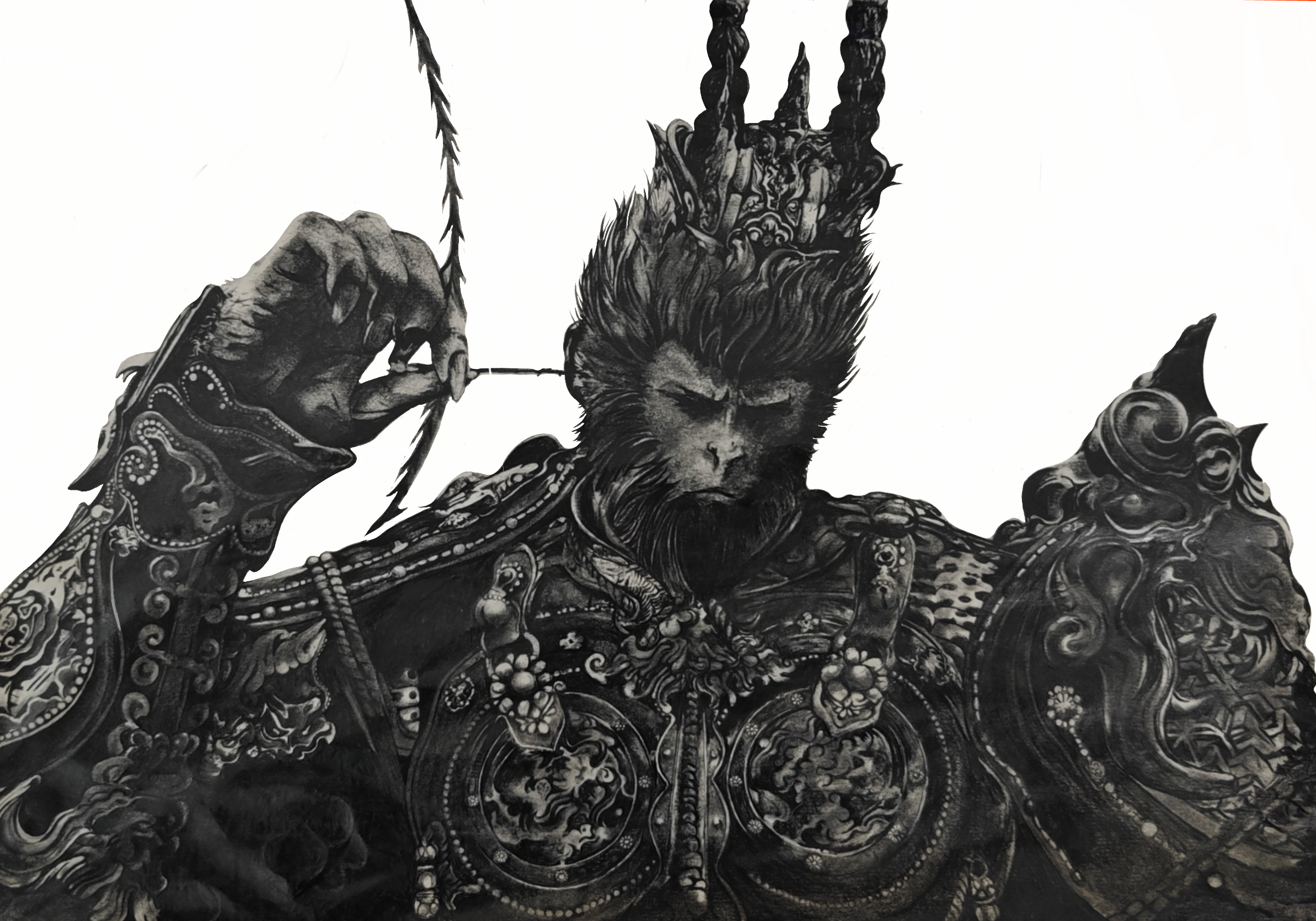
An expression of my passion — realism, contrast, dreamy and cute.
The gallery
{{ artCount }} — click any piece to enlargeNew work goes up on Instagram before it ever gets here.
@thiphobia_artsEdmond Chang
Jea Ginn
I'm the Chief Technology Officer (CTO) at Microtube Technologies, where I bridge technology and design to create products that are functional, beautiful, and innovative.
My passion lies in turning ideas into tangible experiences — combining engineering precision with thoughtful design to shape meaningful, user-centered solutions.